Science news and discussion on TalkFuse.
Swiss glaciers suffer ‘disastrous’ year of ice loss, threatening water supplies
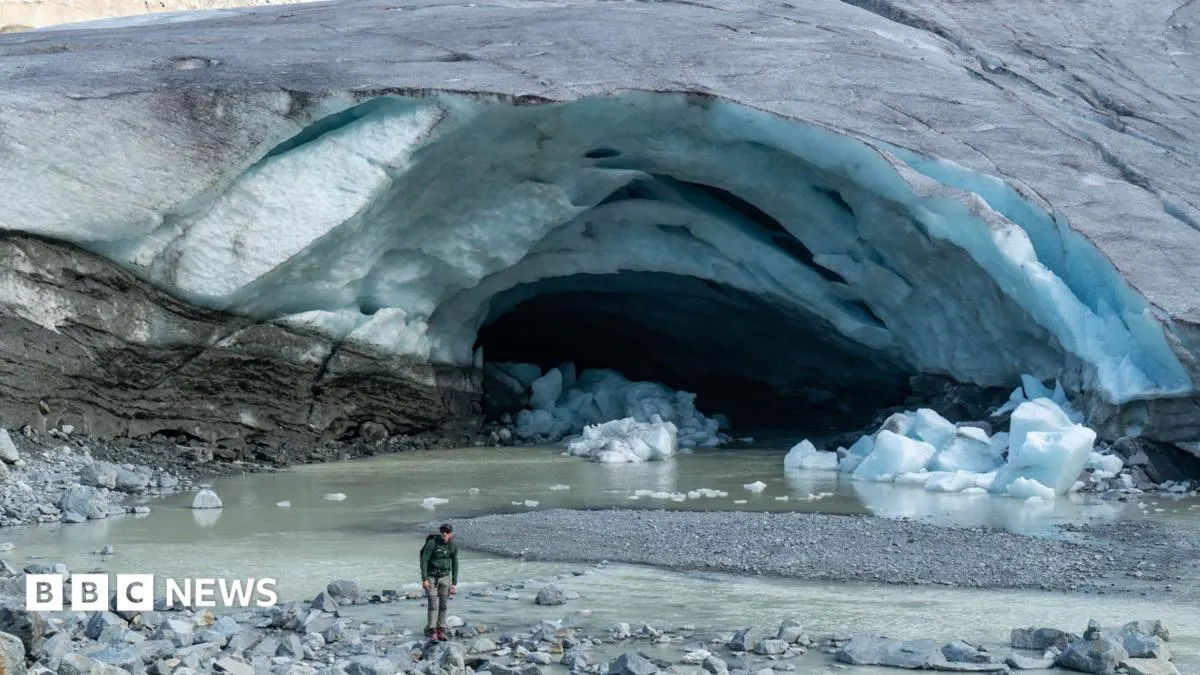
Swiss glaciers lost an estimated 5.5% of their remaining ice over the past year, a near-record decline that scientists describe as disastrous. The unusually rapid melting, driven by intense heatwaves and a mild winter with little snow, is a sign of the pace of climate change and could put future water supplies at risk.
Glaciers released about 2.2 trillion litres of meltwater between July and September, easing shortages this summer but drawing down water stored over decades or centuries. Even at 3,500 metres, researchers found no snow left at the end of summer, leaving little to replace melting ice; the Rhine also reached record low levels in places, disrupting shipping. Continued glacier loss could affect farming, hydropower and transport, while thinning ice and thawing ground can make mountain slopes less stable.
In short
- Swiss glaciers lost 5.5% of their ice in a year.
- Heatwaves and low winter snowfall accelerated melting.
- Meltwater helps now but threatens future water supplies.
Explained simply
Glaciers are vast expanses of ice that persist year-round in high mountains, accumulating snow over centuries. These frozen reserves play a critical role in Switzerland's water security, acting as natural reservoirs that feed rivers supplying fresh water for drinking, irrigation and hydroelectric power generation.
Swiss glaciers have been losing ice at an accelerating rate over the past few decades as global temperatures rise. When glaciers shrink significantly, they provide less water in summer months and reduce the reserves needed for future water security.
Glacier loss threatens not only water supplies but also farming that depends on irrigation, hydroelectric power production and river transport. Thinning ice and thawing ground also destabilise mountain slopes, increasing hazards from rockfalls and landslides.
Climate Research Science World