Switzerland will vote on whether to end co-operation with NATO following Moscow-backed ‘peace’ campaign
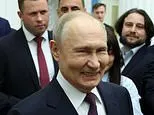
Switzerland will hold a referendum next month on a proposal to entrench a stricter form of neutrality in its constitution, effectively barring co-operation with NATO and blocking independent economic sanctions such as those imposed on Russia. The campaign, backed by the right-wing Swiss People's Party and figures such as Christoph Blocher, has used "no to war" posters nationwide and has drawn public support from the Kremlin, prompting concern that a Moscow-aligned vote could isolate Switzerland from its European neighbours and undermine its long-standing armed neutrality, a status recognised internationally since 1815.
Polling suggests the proposal will fail, with one recent survey putting opposition at 62% against 36% in favour, though pollster Fabio Wasserfallen warned the gap could narrow as campaigners for change are outspending defenders of the status quo. The Swiss government and most parties oppose the change, with Foreign Minister Ignazio Cassis arguing it would harm national security and prevent training with NATO, while officials note Switzerland already acted independently by banning US military overflights during the Iran conflict. Russia's foreign ministry has publicly criticised Switzerland's alignment with EU sanctions, while critics of the campaign argue its "no to war" messaging oversimplifies how neutrality is actually applied.
- Swiss voters decide next month on stricter neutrality barring NATO co-operation and sanctions
- Campaign backed by SVP figures has won open Kremlin support
- Polls show opposition ahead, but the gap may be narrowing
New here? Start with this
Switzerland already has a long tradition of staying neutral in international conflicts, avoiding military alliances and formal wars while still trading and cooperating with other countries where it can. The referendum concerns whether to tighten this into a stricter, constitutionally binding form of neutrality that would stop Switzerland working with organisations like NATO or imposing its own sanctions on countries such as Russia, even where the rest of Europe has done so.
The push for change is led by the right-wing Swiss People's Party and figures including Christoph Blocher, using a "no to war" message to argue that closer ties with NATO and sanctions policies risk dragging Switzerland into other countries' conflicts. The campaign has attracted public backing from Russia, which has been critical of Switzerland aligning with EU sanctions, raising questions about how a change might affect Switzerland's standing with its European neighbours.
The Swiss government, under Foreign Minister Ignazio Cassis, along with most political parties, opposes the change, warning it could limit training and cooperation with NATO and weaken national security. Polls currently suggest most voters will reject the proposal, though the margin may be narrowing as the two sides spend differently on campaigning ahead of the vote.
Both sides, in good faith
The strongest fair case each way — we don't pick a winner.
The case for
Supporters argue that Switzerland's unique value to the world, and its own security, rests on being seen as genuinely neutral rather than quietly aligned with one bloc. They contend that closer NATO training ties and discretionary sanctions regimes have already eroded the strict neutrality that historically kept Switzerland out of great-power conflicts and allowed it to host peace talks and diplomatic missions that other states could not. Enshrining a stricter neutrality in the constitution, they say, would remove ambiguity, prevent gradual mission creep towards a de facto alliance, and ensure that decisions on war and sanctions remain with the Swiss electorate rather than being set by external institutions.
The case against
Opponents argue that in a Europe reshaped by Russia's invasion of Ukraine, treating all forms of cooperation and sanctions as equally forbidden makes Switzerland less secure, not more principled, since it would bar training and coordination needed to defend against modern threats while doing nothing to prevent unilateral steps Switzerland has already taken, such as barring military overflights. They point out that armed neutrality has always involved judgement calls rather than rigid absolutism, and that locking a narrow interpretation into the constitution would remove flexibility precisely when circumstances demand it. They are also concerned that a campaign so warmly endorsed by the Kremlin, regardless of the sincerity of its domestic backers, risks handing Russia a diplomatic win and straining Switzerland's relationships with its European neighbours at a sensitive time.