Sydney and Melbourne Airport delays: Flights cancelled amid air traffic control staff shortages
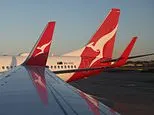
Air traffic control staff shortages have caused widespread flight cancellations and delays at Sydney and Melbourne Airports, Australia's two busiest hubs, disrupting travel for thousands of passengers. The staffing crisis highlights ongoing pressures within Airservices Australia's controller workforce, which has struggled to keep pace with demand, forcing airlines to cut services and leaving passengers facing lengthy waits and knock-on disruption to connecting flights.
Multiple airlines operating out of the two airports were forced to cancel or delay services as a direct result of the shortage, with passengers advised to check flight status before travelling. The disruption adds to a string of recent operational issues at major Australian airports, raising fresh questions about resourcing and training within the air traffic control system as authorities work to stabilise staffing levels.
- Air traffic control staff shortages disrupt Sydney and Melbourne Airport flights
- Multiple airlines forced to cancel or delay services
- Passengers face delays; authorities working to address staffing gaps
New here? Start with this
Air traffic controllers guide planes safely in and out of airports, and in Australia this job falls to a government-run body called Airservices Australia. When too few qualified controllers are on duty, airports have to slow down or restrict the number of flights they can safely handle, which is what has been happening at Sydney and Melbourne, the country's two busiest airports.
The shortage has meant airlines have had to cancel or delay a number of flights at short notice, leaving passengers stuck waiting or facing missed connections. This is not an isolated hiccup: it follows a run of other operational problems at major Australian airports, and comes amid broader concerns about whether enough controllers are being trained and hired to meet demand.
The issue matters because Sydney and Melbourne handle a huge share of Australia's domestic and international air traffic, so disruption at either airport can ripple through flight schedules nationwide. It also raises wider questions about how well-resourced and resilient the air traffic control system is, which authorities are now under pressure to address.