Red fire ants trigger biosecurity controls around Sydney freight centre
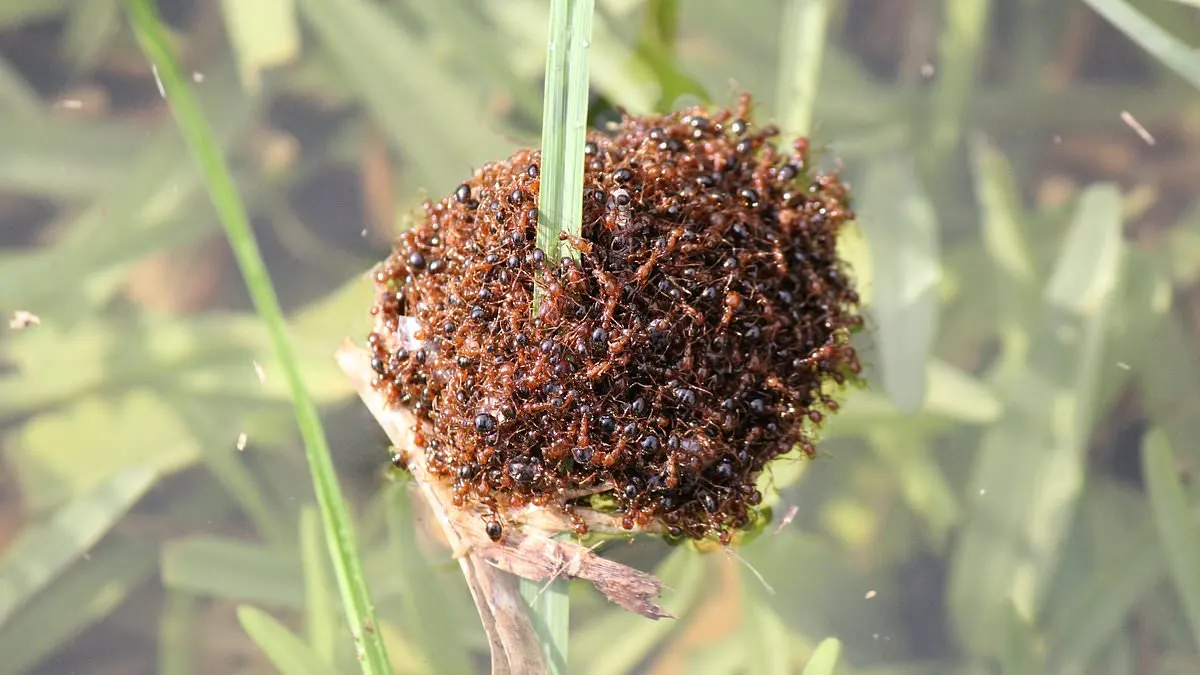
Red fire ants found at Sydney’s Enfield freight centre have prompted a biosecurity control order covering a two-kilometre radius. The restrictions are intended to prevent the invasive pest spreading, as it threatens agriculture and native wildlife and could cause significant economic harm.
The ants were discovered in late September and may have arrived from overseas in a shipping container. Nine sniffer dogs and 60 personnel have found no further ants, but high-risk materials including soil, turf, mulch, potted plants and heavy equipment must be treated before being moved through the zone. Officials say most residents can continue their daily routines, and entomologists have confirmed this detection is not linked to a separate outbreak in south-east Queensland.
In short
- Fire ants were found at an Enfield freight centre.
- A two-kilometre control zone restricts some materials.
- The pest could cost Australia up to $2 billion a year.
Explained simply
Red fire ants are an invasive species whose colonies can spread through soil and other materials. Their painful sting can affect people and animals, while their feeding and nesting can damage crops, wildlife habitats and infrastructure.
Australia’s biosecurity authorities work to stop pests entering the country and contain them if they are found. Freight centres are a possible entry point because ants or their queens can travel in shipping containers, and soil, plants and equipment can carry colonies to new areas.
Keeping the ants contained matters because an established population could be difficult and costly to control. The Sydney find is separate from an outbreak in south-east Queensland, where authorities are also dealing with red fire ants.
Business Markets Research Science World
Read the full article at the source →
Originally published by Daily Mail as “Sydney suburb Enfield plunged into biosecurity lockdown after discovery of deadly ‘super pest’ that could cost Australia $2billion a year”.