Politics news and discussion on TalkFuse.
Tafoya makes ‘common sense’ pitch to disaffected Democrats as she vows to fight Minnesota’s ‘socialist lurch’
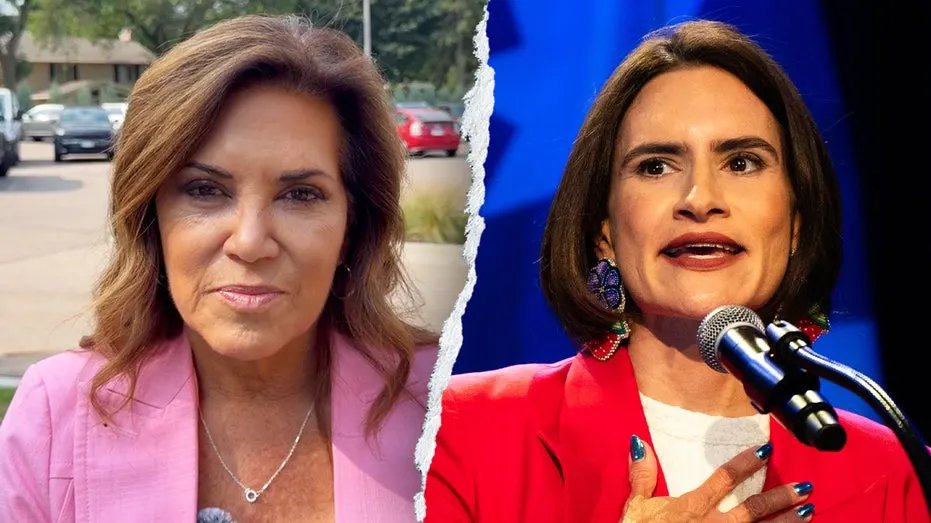
Michele Tafoya has won the Republican nomination for the US Senate seat in Minnesota and is pitching herself as a "common sense" candidate who can attract disillusioned Democrats as well as Republicans. Speaking to Fox News Digital after her primary victory, she framed her campaign as a stand against a "socialist lurch" within the Democratic Party, arguing that voters across the political spectrum are unhappy with the direction of the state under long-standing Democratic control. Tafoya is seeking to become the first Republican to win statewide office in Minnesota since 2006, making her bid a notable test of Republican strength in a traditionally Democratic state.
In November's general election, Tafoya will face Democratic Lieutenant Governor Peggy Flanagan, who has faced scrutiny over a major fraud scandal that prompted Governor Tim Walz, whom she has served alongside since 2019, to abandon his re-election campaign, as well as criticism over her progressive positions, including support for abolishing Immigration and Customs Enforcement (ICE). Tafoya said she wants to hold Democratic incumbents accountable and appeal directly to independents and disaffected Democrats, echoing a similar cross-party strategy recently pursued by Michigan's Republican Senate nominee, Mike Rogers.
In short
- Tafoya wins Minnesota GOP Senate primary, will face Peggy Flanagan in November
- She's courting disaffected Democrats with a "common sense" anti-socialism message
- Flanagan faces scrutiny over a fraud scandal and progressive positions like abolishing ICE
Steelman: both sides, in good faith
The strongest fair case each way — we don't pick a winner.
The case for
Minnesota voters who share Tafoya's concerns argue that decades of Democratic control have shifted the state leftward in ways that don't reflect practical governance priorities, from spending and tax levels to progressive social policies that they see as ideological rather than pragmatic. Her appeal to disaffected Democrats suggests a genuine cohort of voters who feel the party has abandoned common-sense centrism and moderatism for a more ideologically driven direction.
The case against
Supporters of Democratic governance argue that Minnesota's consistent ranking among the nation's best-functioning states in education, healthcare, and quality of life demonstrates that Democratic leadership reflects voters' genuine values and priorities, not a problematic departure from sensible policy. The label 'socialist' overstates the nature of mainstream Democratic positions, and progressive voters who support these policies are exercising legitimate democratic choice rather than suffering from some aberration in need of correction.
Explained simply
Minnesota has had long-running Democratic control of state government, and Republicans have not won a statewide office there since 2006. The Senate race is therefore a test of whether a Republican can build support beyond the party’s usual voters.
Michele Tafoya is the Republican nominee, and Peggy Flanagan, Minnesota’s lieutenant governor, is the Democratic nominee. Flanagan has served alongside Governor Tim Walz since 2019; Walz dropped his re-election bid amid scrutiny of a major fraud scandal.
The contest also reflects disagreements over the Democratic Party’s direction and policies such as immigration enforcement. Tafoya says she hopes to win over independents and Democrats dissatisfied with their party, a strategy also used by Republican Senate nominee Mike Rogers in Michigan.
Elections Government Politics World