World news and discussion on TalkFuse.
Taiwan votes to end its ‘nuclear-free’ status in election where anti-China party makes huge gains
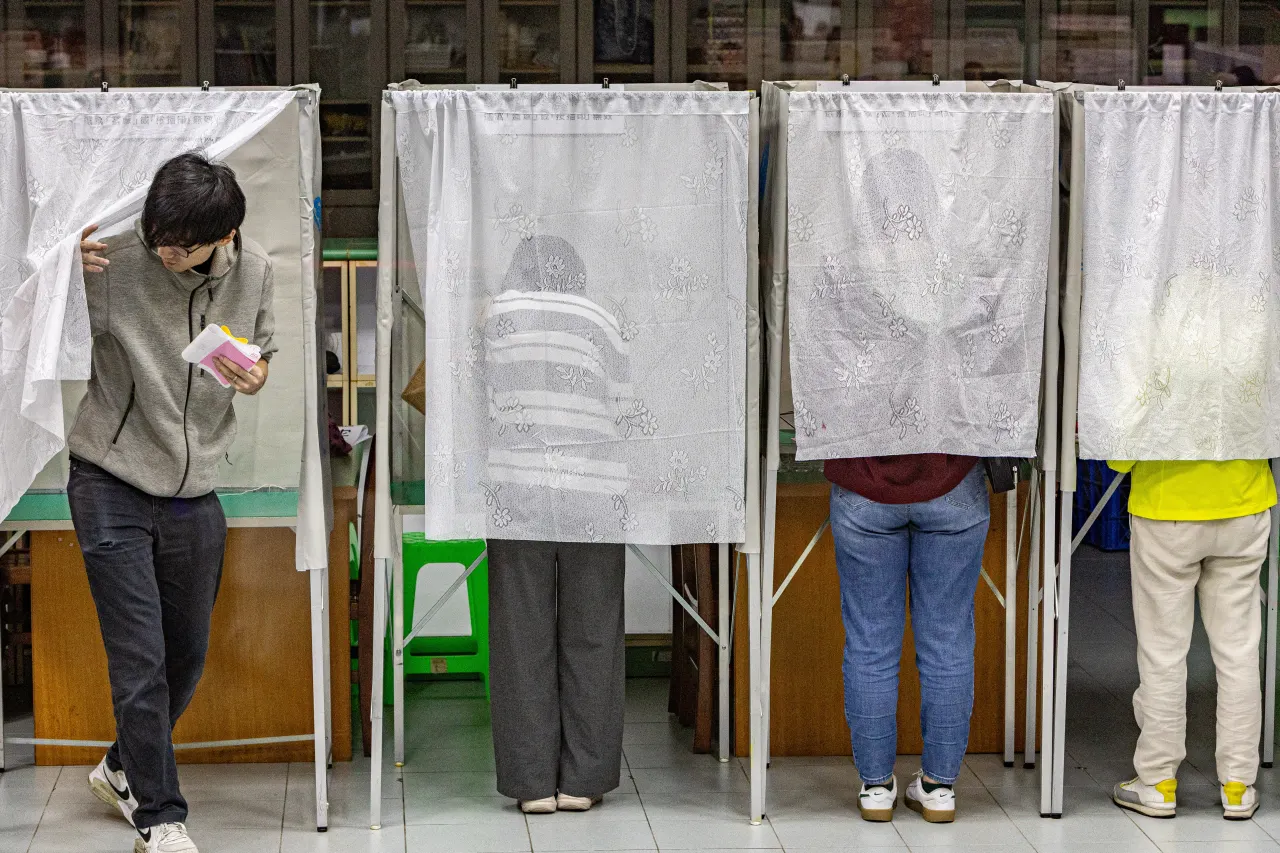
Taiwanese voters backed ending the island’s “nuclear-free” status, opening the way for a possible return to nuclear power as electricity demand and fuel costs rise. The result comes alongside gains for the governing Democratic Progressive Party (DPP), which supports maintaining Taiwan’s independence from China, and prompted renewed warnings from Beijing.
More than 7 million people supported investing in nuclear power, surpassing the referendum’s 25% threshold. Taiwan shut its last operating reactor last year; the vote is the fourth referendum on nuclear energy since 2018, as the island seeks power for its growing artificial intelligence and chip industries. The DPP doubled the number of local authorities it controls, despite losing Taipei’s mayoral election. Beijing said reunification could not be stopped and had deployed aircraft and warships around Taiwan before voting; the results may offer clues ahead of Taiwan’s 2028 election.
In short
- Voters back reopening the path to nuclear power.
- More than 7 million support ending nuclear-free status.
- The governing DPP makes local gains as Beijing renews warnings.
Steelman: both sides, in good faith
The strongest fair case each way — we don't pick a winner.
The case for
Supporters argue that Taiwan imports most of its energy and faces real risks from rising fuel costs, while its electricity supply must grow to meet demand from AI data centres and chip fabrication. They contend that nuclear power offers steady, low-carbon baseload electricity that can complement renewables, and that modern reactor designs and strict regulation have made the technology far safer than its reputation suggests. For many voters, the referendum reflects a pragmatic judgement that energy security should not be sacrificed to caution rooted in the past.
The case against
Opponents maintain that Taiwan's exposure to earthquakes and its dense population make nuclear risk a legitimate concern that engineering improvements cannot fully remove, and they point to the Fukushima disaster as a reminder of how quickly public confidence can be lost. They also stress that the island has yet to settle how to store spent fuel over the long term, and that new plants take many years and large sums of public money that could instead go towards wind, solar and grid upgrades. From this perspective, the 'nuclear-free' policy was a considered commitment to a safer and more sustainable path, and reversing it risks tying the island to an expensive and contested technology.