Taiwan’s Sole Busan Competition Title ‘To Be Ordinary’ Marks Lee Yun Chan’s Return to Features After Two Decades
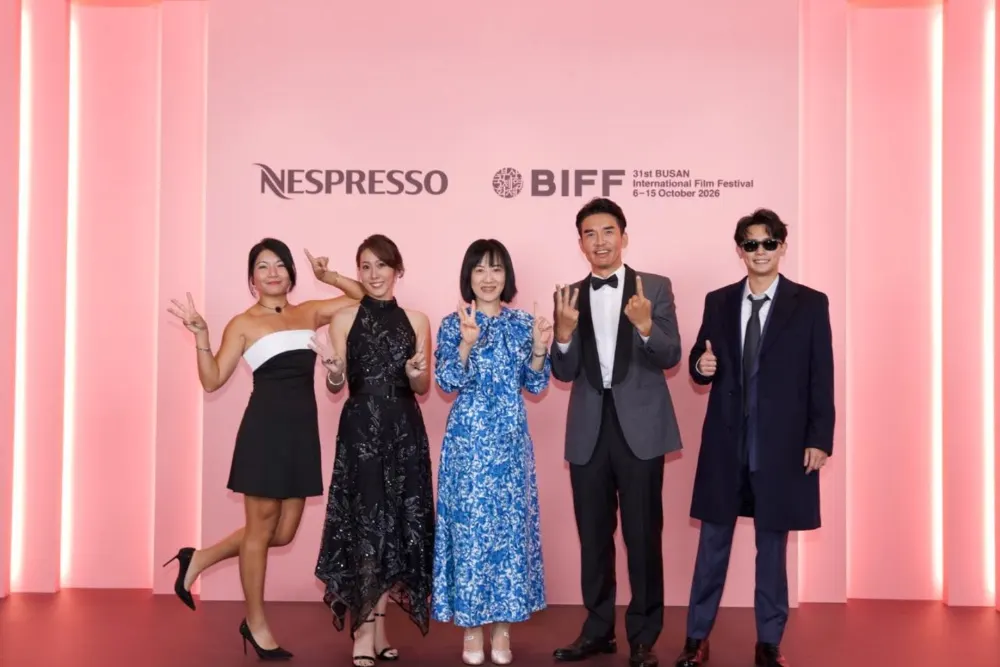
Lee Yun Chan has returned to feature filmmaking with “To Be Ordinary”, her first feature in two decades and the only Taiwanese film in competition at the Busan International Film Festival. The family drama follows a household struggling financially and emotionally after a college student is injured in a road accident, exploring how ordinary routines and shared meals can help relatives reconnect.
The story took shape about 10 years ago, while Lee was raising her family, and was filmed over 42 days. It stars Weber Yang, Chang Shih Ying and Junior Hsieh, who prepared for their roles by spending time together and, in Hsieh’s case, learning about daily life in a wheelchair. After its world premiere in Busan, the film is due to screen in Tokyo and at the Golden Horse Film Festival before opening in Taiwan on 13 November.
- Lee Yun Chan has made her first feature in 20 years.
- The film is the only Taiwanese entry in Busan’s competition.
- Taiwan’s cinema release is set for 13 November.
New here? Start with this
Lee Yun Chan is a Taiwanese filmmaker returning to feature filmmaking after a two-decade absence. Her new film "To Be Ordinary" is significant—it is the only Taiwanese film in competition at the prestigious Busan International Film Festival, reflecting Taiwan's presence in international cinema.
The film explores a family struggling with financial hardship and emotional distance after a college student is seriously injured in a road accident. Rather than focusing on the trauma itself, the story examines how ordinary routines and shared meals become ways for relatives to heal and reconnect.
Lee developed the concept over a decade whilst raising her family, and the cast spent time together preparing for their roles, with one actor learning about wheelchair use to bring authenticity to the part. The film will screen at several international festivals before its release in Taiwan.