‘Take the f***ing deal’: Farage secretly filmed letting off Reform candidate accused of racist attack against David Lammy
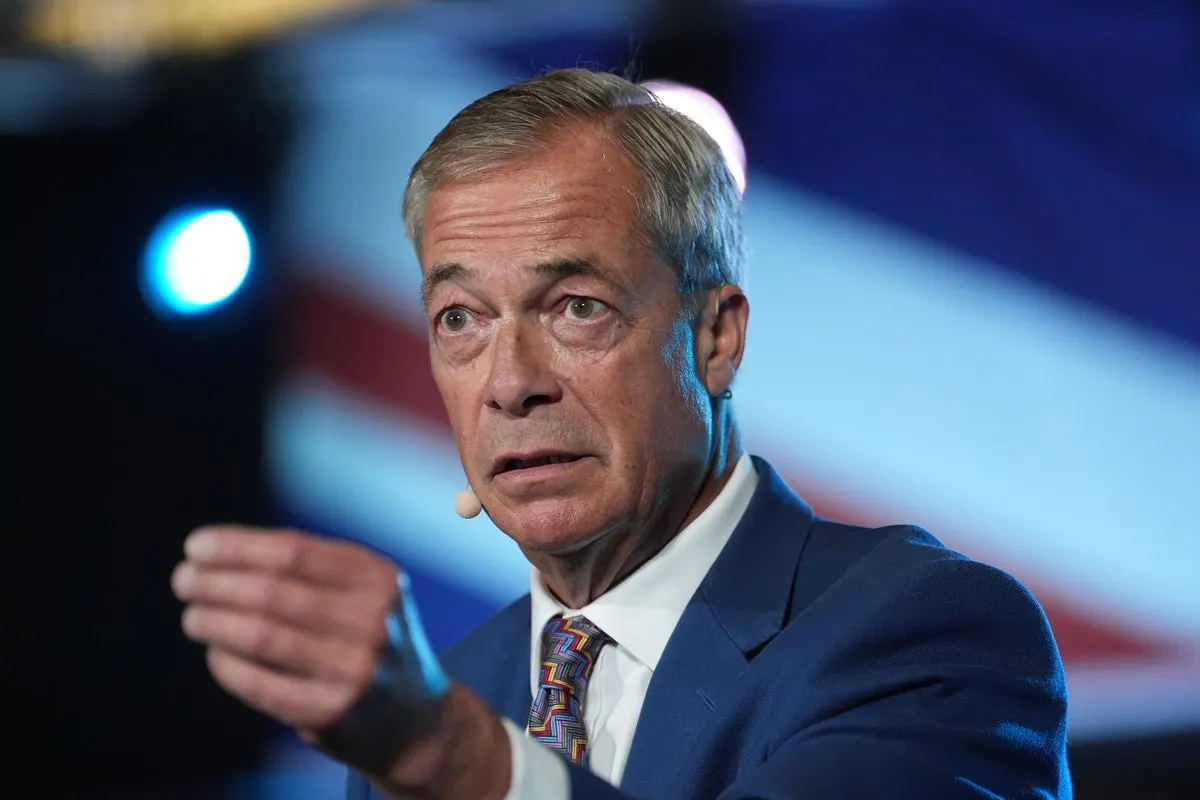
Undercover footage captured Nigel Farage telling Reform UK’s communications director that mayoral candidate Chris Parry should apologise to David Lammy over a social media post telling him to “go home to the Caribbean”. The exchange matters because it has prompted Labour to accuse Farage of standing by a candidate over remarks it calls racist, while Reform faces wider scrutiny over comments by party figures.
Parry posted the remark in January amid discussion of possible slavery reparations and later apologised for any distress or offence caused. In the footage, Farage says Parry must apologise and “move on”, while communications director Ed Sumner says he would have removed him months earlier. Parry was later suspended after a separate post likened a Jewish neighbourhood watch group to “Islamists on horseback”; the ITV programme also includes remarks by Reform MP Sarah Pochin about sexism within the party.
- Farage told a colleague Parry should apologise to Lammy.
- Parry had urged Lammy to “go home to the Caribbean”.
- Labour says Farage must explain his handling of the candidate.
New here? Start with this
Reform UK is a political party led by Nigel Farage. Chris Parry, a Reform mayoral candidate, posted a message to Labour MP David Lammy during a debate about reparations for slavery, telling him to “go home to the Caribbean”. Parry later apologised for any offence or distress caused.
The story also touches on how Reform handles comments by its candidates and elected figures. Parry was later suspended after a separate social media post about a Jewish neighbourhood watch group. Labour and Reform have disagreed over the significance of the remarks, amid wider attention to comments made by people in the party.
Both sides, in good faith
The strongest fair case each way — we don't pick a winner.
The case for
Labour’s criticism is that telling David Lammy to “go home to the Caribbean” invokes the idea that a British politician of Caribbean heritage does not belong, and warrants a clear response from party leadership. Farage’s reported insistence that Parry apologise and move on could reasonably be seen as inadequate, particularly given the later suspension over a separate post and wider concerns about comments by Reform figures.
The case against
Reform can argue that Farage did call for an apology, while Parry had already apologised for any offence caused, so urging the party to move on need not mean endorsing the original remark. A party leader may also reasonably distinguish between condemning a candidate’s words and deciding whether one post, followed by an apology, merits removal; the later suspension concerned a separate post.