Take-Two CEO says he expects the games industry to be in ‘commercial streaming mode within 3 years,’ which is great news if you hate owning things
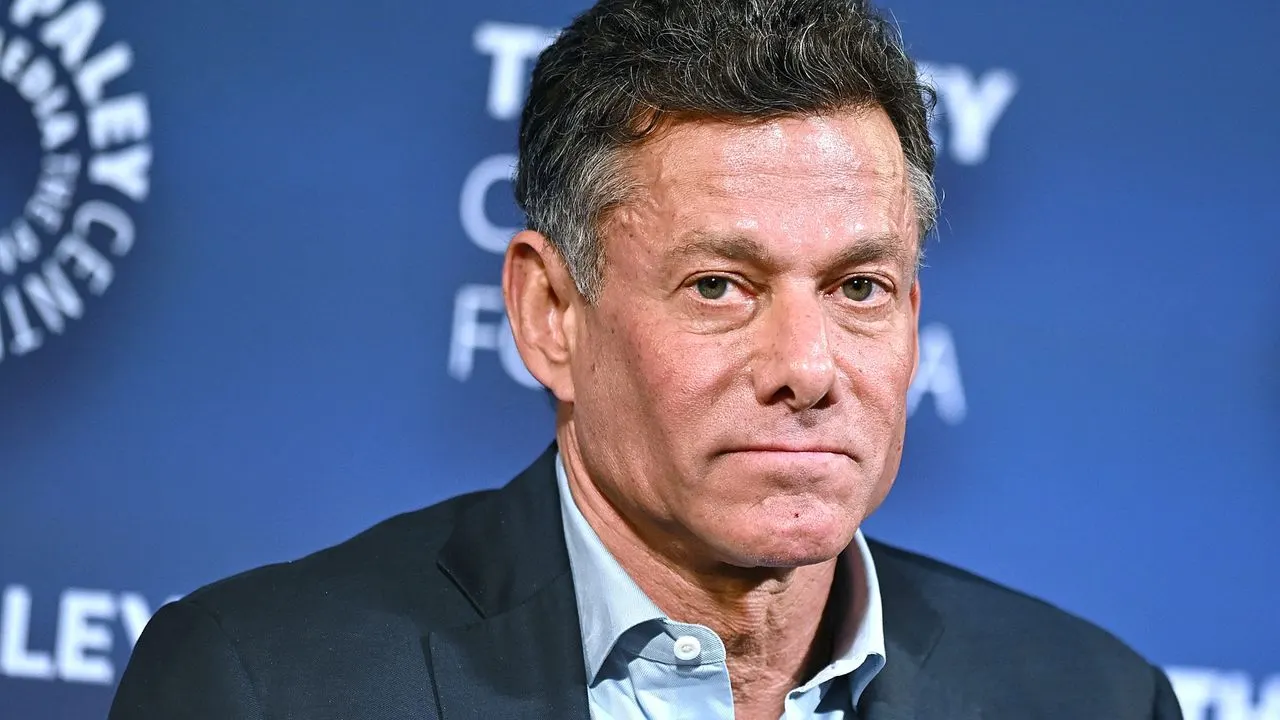
Take-Two chief executive Strauss Zelnick has said he expects the games business to move into a commercially viable streaming model within three years. The prospect matters because it could shift players further from buying and keeping games outright towards paying for access through subscription-style services.
Zelnick’s prediction concerns the point at which game streaming becomes a sustainable mainstream business, rather than simply a technical possibility. The article notes that streaming could make high-end games more accessible across devices, but raises concerns about ownership, preservation and consumers’ dependence on continuing subscriptions and online services.
- Take-Two expects viable game streaming within three years.
- Streaming may reduce the importance of owning games.
- Convenience could come with preservation and access concerns.
New here? Start with this
Take-Two is a video game publisher whose titles include Grand Theft Auto and NBA 2K. Its chief executive, Strauss Zelnick, is commenting on how games might be sold and played in future.
Game streaming runs a game on a company’s servers and sends the picture and sound over the internet, rather than requiring players to run it on their own device. It could let people play demanding games on a wider range of devices, but access would depend on a reliable connection and a service staying available.
This matters because streaming could change the balance between buying a game to keep and paying for ongoing access. It also raises questions about what happens to games if a subscription ends or a service closes, and how much control players have over their libraries.
Both sides, in good faith
The strongest fair case each way — we don't pick a winner.
The case for
Streaming gaming represents genuine consumer benefits: it removes hardware barriers, making premium titles accessible across devices without expensive consoles or PCs, whilst reducing electronic waste. The model offers practical convenience—playing anywhere with only an internet connection—and allows publishers to update and maintain games centrally, avoiding the fragmentation and preservation costs of traditional ownership. Subscription services can democratise access to expensive titles, similar to how streaming transformed music and film, creating a more sustainable business model.
The case against
Streaming gaming undermines consumer rights and cultural preservation. Players lose ownership, with games disappearing permanently when services shut down or are delisted—a genuine risk given the history of digital store closures. The model creates dependency on corporate servers, requires reliable high-speed internet (excluding many people), and enables unprecedented surveillance and data collection. Subscription fatigue leads to price creep and reduced autonomy, whilst input latency problems remain unsuitable for many game genres. Games deserve preservation as cultural artefacts; streaming entrenches corporate control over what players can access indefinitely.