World news and discussion on TalkFuse.
Taliban reportedly strips women of their names in Afghan province, now being called ‘goat’ or ‘grandmother’
Developing story first seen 3 hours ago
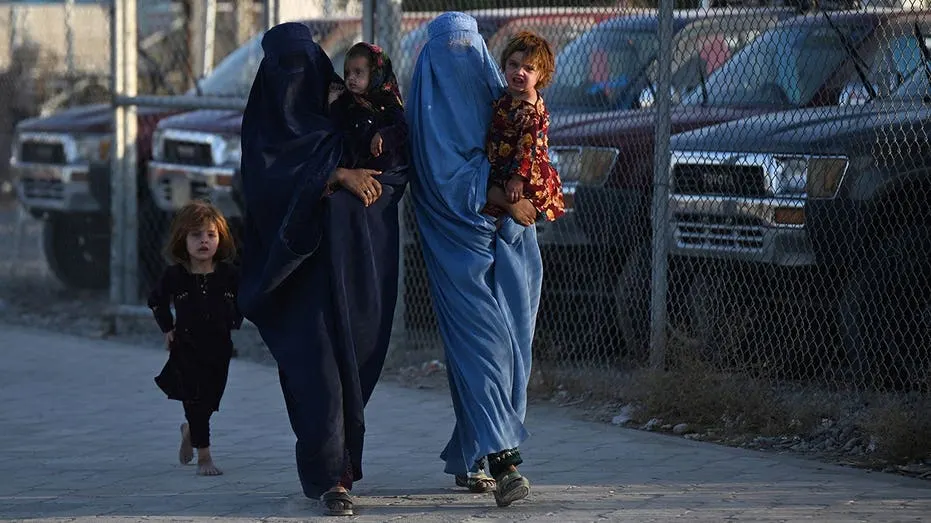
Newly added reporting describes Afghan women defying Taliban restrictions by running underground businesses and secret schools, while a reported order in Balkh province would remove women’s names from official documents. Rights advocates say the measure could spread nationwide and warn that omitting names from medical records may increase the risk of errors.
Healthcare and other public workers have reportedly been told to call women “Bibi”, meaning grandmother or old woman; activists say some are also called “goat” or “cow”. One activist said the order had so far been ignored. Femena has counted more than 144 decrees restricting women’s rights, including limits on girls’ education beyond age 12 and women’s employment, while women already face barriers to healthcare.
- Sources
- 2
- Outlets
- 2
- Left · Centre · Right
- 0 · 0 · 2
In short
- New reporting highlights underground schools and businesses.
- A reported Balkh order would erase women’s names from records.
- Advocates warn of wider restrictions and possible medical errors.
How this story developed
- 2 minutes ago Taliban authorities in Afghanistan’s Balkh province have reportedly ordered public employees to omit women’s names from official documents, including medical records and prescriptions.
- 5 minutes ago Newly added reporting describes Afghan women defying Taliban restrictions by running underground businesses and secret schools, while a reported order in Balkh province would remove women’s names from official documents.
Steelman: both sides, in good faith
The strongest fair case each way — we don't pick a winner.
The case for
Those defending the reported order might argue that standard forms of address and document handling reflect local customs or administrative policy, and that officials should be able to set rules for public services. They could also say the reports are local or not consistently enforced, so claims of a nationwide policy or specific medical consequences should be treated cautiously until verified.
The case against
Critics argue that removing women’s names from official and medical records denies them basic recognition and can make it harder to identify patients, protect privacy and provide safe care. In a context of existing limits on women’s education, work and public life, they see the reported practice and demeaning forms of address as part of a broader erosion of women’s rights, with a risk that local restrictions could spread.
Coverage · 2 sources
Bias meters
From 2 rated sources.