Taliban wipes out decades of progress as 2.4M Afghan girls remain locked out of school, UN agency says
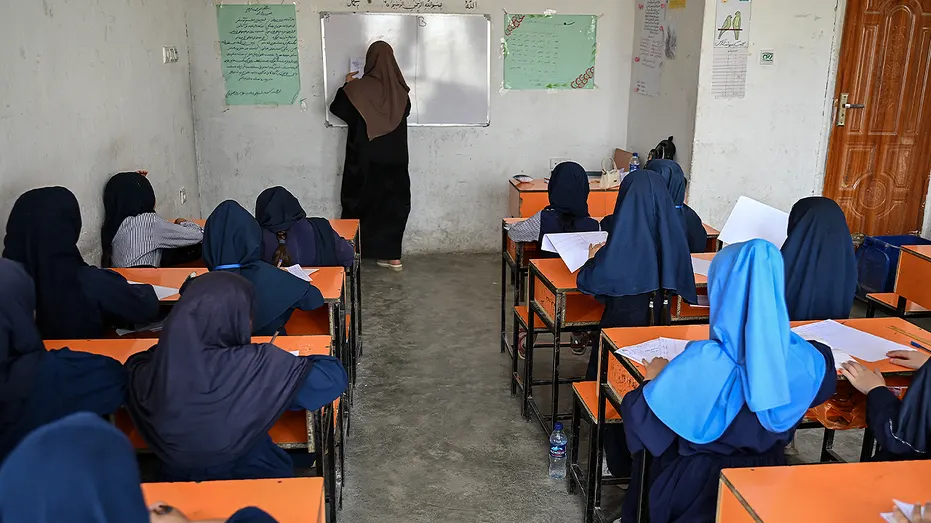
Five years after retaking Afghanistan, the Taliban's ban on secondary and higher education for girls has left 2.4 million of them shut out of school, according to a UN agency, erasing decades of progress on girls' education and denying an entire generation the chance to learn. The restriction, one of the most sweeping curbs on women's rights imposed by the Taliban since it returned to power, has drawn sustained international condemnation and highlights the regime's broader rollback of freedoms for Afghan women and girls.
The ban has been in place since the Taliban seized control of the country five years ago, barring girls from attending school beyond the primary level and effectively cutting off their route to higher education and future employment. The figures were highlighted by a UN agency as evidence of the scale of the setback, with campaigners warning that the policy risks entrenching long-term damage to Afghanistan's social and economic development.
In short
- Taliban's five-year school ban locks out 2.4 million Afghan girls.
- UN agency says it has erased decades of educational progress.
- Ban denies an entire generation access to secondary education.
Explained simply
Before the Taliban returned to power in 2021, more Afghan girls were attending school than in earlier decades. Since then, girls have generally been allowed to study only through primary school, while secondary schools and universities have been closed to them.
The Taliban is the group that has governed Afghanistan since taking control of the country. The restrictions have drawn criticism from governments and international organisations, and have limited girls’ access to further education and the qualifications it can provide.
The effects reach beyond individual students: education can shape people’s work opportunities and a country’s future skills. The restrictions therefore raise questions about Afghanistan’s social and economic development over time.