Tanker Attacked in Persian Gulf as Westernmost Shipping Assault Fuels Oil Rally
Developing story first seen 1 hour ago
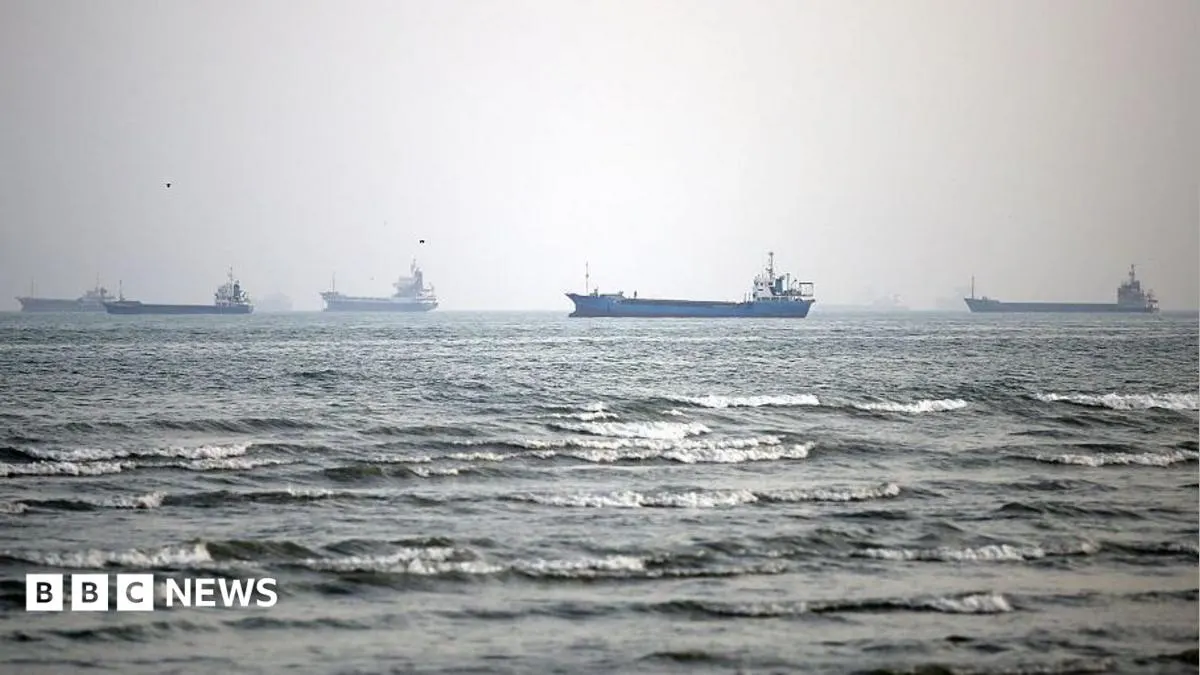
A commercial tanker came under attack north of Qatar after being struck by multiple projectiles, according to the UK Maritime Trade Operations agency, which reported casualties from the incident. The strike represents a significant geographical escalation of the ongoing hostilities, marking the first documented assault in this western portion of the Persian Gulf since early September, and underscores the expanding threat to maritime commerce in the region amid broader geopolitical tensions.
The attack has reverberated across global energy and financial markets. Oil prices have advanced towards $103 per barrel, driven by concerns over Middle Eastern supply disruption and the intensifying pattern of vessel strikes in key shipping lanes, compounded by reduced US petroleum production stemming from recent hurricane damage. The ripple effects extend through international markets, with Asian stock indices experiencing significant declines and the UK residential property sector showing signs of weakness amid the broader economic uncertainty.
- Tanker hit by projectiles north of Qatar, marking first western Gulf attack since early September with reported casualties
- Oil prices surge toward $103 per barrel as maritime security concerns escalate
- Global markets decline: Asian stocks fall sharply and UK housing market weakens amid supply chain tensions
New here? Start with this
The Persian Gulf is one of the world's most critical shipping routes, handling roughly a third of all oil traded globally. Disruptions to shipping in this region can significantly influence global energy prices and affect economies that rely on stable oil supplies.
Tensions across the Middle East have intensified in recent years, with various regional parties involved in broader disputes. These tensions have periodically extended to shipping, with merchant vessels in the Gulf experiencing attacks that raise shipping costs and create uncertainty for international commerce.
Incidents affecting Gulf shipping have wider economic consequences for the global economy. Disruptions raise fuel and energy costs, which affect transportation, manufacturing, heating, and countless other industries that rely on stable petroleum supplies.
Full account
A commercial tanker has sustained damage after being struck by multiple projectiles in the waters north of Qatar, prompting renewed concerns about maritime security in one of the world's most strategically critical shipping corridors. The Acers, a vessel registered under the Antigua and Barbuda flag and carrying oil and chemical cargo, was targeted approximately 51 nautical miles from Madinat al-Shamal. Reports indicate that casualties resulted from the attack, which represents a significant escalation in ongoing hostilities affecting regional shipping.
The incident forms part of a broader pattern of maritime violence that has accelerated since hostilities between the United States, Israel and Iran began in February. According to United Nations maritime authority figures, shipping in the region has experienced 93 documented attacks during the conflict, resulting in at least 24 seafarer fatalities. Maritime security analysts have highlighted this attack's significance, noting it represents the westernmost incident recorded since early September, when two crew members were killed on a separate vessel in the Strait of Hormuz.
The Strait of Hormuz, normally handling roughly one-fifth of global oil and liquefied gas supplies, has endured severe disruption since the conflict's onset. Iran conducted sustained operations using missiles and unmanned aircraft against merchant vessels whilst the United States implemented a blockade of Iranian ports. A preliminary agreement reached in June to restore normal operations and end hostilities collapsed within weeks as Iranian attacks on shipping resumed. Tehran has sought to maintain influence over the waterway, specifically targeting vessels using alternative southern routes through Omani waters to avoid Iranian-controlled shipping lanes.
The United States military has undertaken a protective role to maintain energy exports from Arabian Gulf states, providing escorts for tankers navigating the contested corridor. Current data indicates crude oil exports through the Strait have stabilised at approximately 12 million barrels daily, equivalent to roughly 80 per cent of pre-conflict volumes. A reported fire aboard another vessel east of the United Arab Emirates further underscores the persistent maritime hazards affecting the broader region.
Where outlets differ
Source 2 addresses an unrelated story concerning an Asos data breach and is not relevant to the tanker attack headline. Only Source 1 reports on this incident; therefore no meaningful outlet differences exist on this particular story.
Coverage
- BBC World — Tanker hit by multiple projectiles in Gulf off Qatar, maritime agency says
- The Guardian — Oil nears $103 as Hormuz attacks rattle markets and UK housing weakens
Asia Business Cricket Economy Markets Middle East Sport UK World