Tanzanian lecturer arrested over anti-government protests charged with terrorism
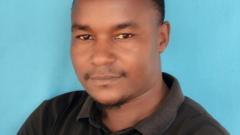
Tanzanian university lecturer Melkisedek Kaijage has been charged with terrorism after being arrested over allegations that he incited anti-government protests. The charge means he is unlikely to be granted bail and will remain in custody pending trial, marking a significant escalation in the case. It comes amid a wider government crackdown on opposition figures and activists following disputed elections and deadly unrest.
Kaijage was among more than 130 people arrested in connection with planned 7 July demonstrations, which were banned and did not go ahead. Prosecutors allege that he threatened to burn public buildings to intimidate others; terrorism-related convictions can carry sentences of 10 years to life imprisonment. A presidential inquiry said 518 people died from “unnatural causes” during protests after the October 2025 election, including 197 people shot dead.
In short
- Tanzanian lecturer charged with terrorism after planned protest arrests
- Terrorism charge leaves him in custody without bail
- Case follows deadly unrest after disputed 2025 election
Steelman: both sides, in good faith
The strongest fair case each way — we don't pick a winner.
The case for
The government contends that serious threats to burn public buildings constitute genuine criminal conduct warranting terrorism charges, reflecting the gravity of alleged incitement to violence against critical infrastructure. From this perspective, law enforcement is appropriately responding to threats of violent action to maintain public order and safety, regardless of the accused's political views, with the severity of the charge matching the seriousness of the alleged conduct.
The case against
Critics argue this charge exemplifies political persecution masked as law enforcement, targeting a government opponent within a broader crackdown on dissent following disputed elections. They contend that terrorism charges are being weaponised against academics and activists engaging in ordinary political opposition, and that the context of 518 deaths including 197 shot by security forces, banned protests, and widespread arrests of opponents suggests the justice system is being used to silence legitimate political speech rather than address genuine public safety threats.
Explained simply
Tanzania held elections in October 2025 that were disputed by opposition groups, sparking violent protests and widespread unrest. A presidential inquiry found that over 500 people died during the post-election turmoil, including nearly 200 who were shot by security forces. The government has responded with a major crackdown targeting opposition figures and activists.
Melkisedek Kaijage is a university lecturer who was arrested as part of this crackdown, along with more than 130 others. Prosecutors allege he incited anti-government demonstrations planned for July 2026 and threatened to burn public buildings, though the demonstrations were ultimately banned and did not occur.
The significance of Kaijage's case lies in the government's handling of dissent and the severity of the charges he faces. Terrorism charges in Tanzania carry sentences of up to life imprisonment, and such charges typically make bail unlikely, potentially keeping him in custody for months or years before trial.