World news and discussion on TalkFuse.
Tanzanian opposition leader found guilty of incitement
Developing story first seen 3 hours ago
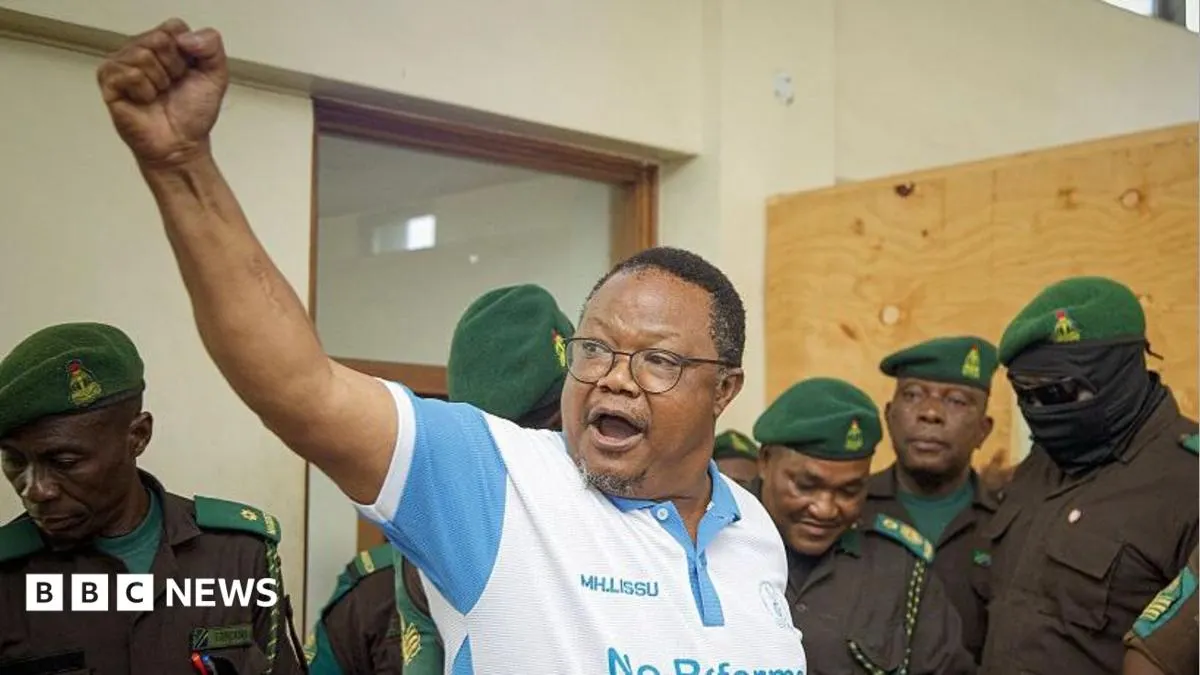
Tundu Lissu, Tanzania’s main opposition leader, has been sentenced to four years in prison after the High Court found him guilty of inciting unrest. The ruling comes amid concern about political freedom in Tanzania, following a disputed election and a crackdown on protests.
A panel of three judges acquitted Lissu, 58, of treason, saying prosecutors had not proved a key element of that charge. They ruled that his slogan, “No Reforms, No Election”, encouraged supporters to disrupt the 2025 election; Lissu denied the charges and called the case politically motivated. He has been detained since April last year, may apply for bail and has leave to appeal. President Samia Suluhu Hassan won 98% of the vote after Lissu and another main challenger were excluded; an official inquiry said at least 500 people died in post-election unrest.
- Sources
- 2
- Outlets
- 2
- Left · Centre · Right
- 1 · 1 · 0
In short
- Lissu was sentenced to four years for incitement.
- The court acquitted him of treason.
- He can seek bail and appeal the ruling.
How this story developed
- 56 seconds ago Tanzanian opposition leader Tundu Lissu has been found guilty of incitement, while a High Court panel acquitted him of treason, ruling that prosecutors had not proved a key element of that charge.
- 3 minutes ago Tundu Lissu, Tanzania’s main opposition leader, has been sentenced to four years in prison after the High Court found him guilty of inciting unrest. The ruling comes amid concern about political freedom in Tanzania, following a disputed election and a crackdown on protests.
Where outlets differ
Left-leaning outlets 1
Only here: tanzania, court, jails, lifts, treason
Centre outlets 1
Only here: tanzanian, found, guilty
Every side used: opposition, leader, incitement
Headline columns compared word for word; nothing in them is AI-written.
Steelman: both sides, in good faith
The strongest fair case each way — we don't pick a winner.
The case for
A good-faith case for the prosecution is that public statements made during a tense election period can warrant legal consequences if they encouraged unlawful action or risked public safety. Enforcing laws against incitement may protect people and democratic institutions, provided the conviction rests on evidence and a fair process.
The case against
A good-faith concern is that prosecuting an opposition leader over campaign remarks can restrict political debate, particularly when major challengers were excluded from an election followed by deadly unrest. Lissu denies wrongdoing, says his words were taken out of context, and the court has not yet given its reasons for the conviction, making transparency and a meaningful appeal important.
Coverage · 2 sources
Bias meters
From 2 rated sources.