Tape still isn’t dead, but shipments slipped by 16 exabytes in 2025
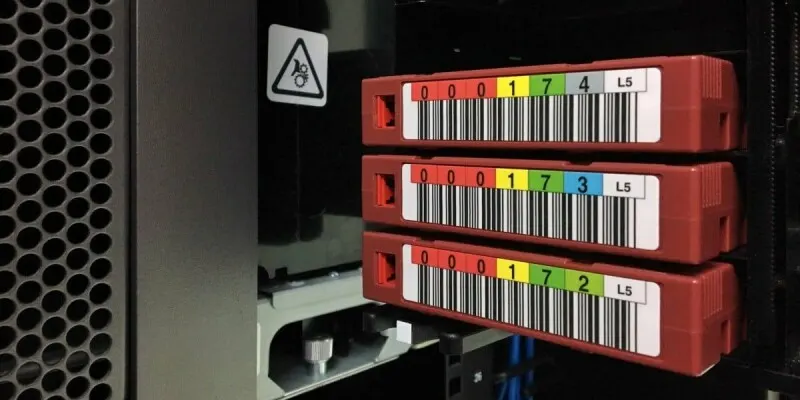
LTO tape shipments fell by 16 exabytes in 2025, according to the LTO Program, the HPE, IBM and Quantum Corp alliance that oversees the Linear Tape-Open format used in around 85 percent of tape sales. The dip follows an all-time high in 2024, and the Program attributes it largely to cautious purchasing amid an uncertain international trade environment, though it insists this is a blip rather than a sign of decline, pointing to tape's continued appeal for low-power, high-capacity storage.
Total 2025 shipments came to 160.3 exabytes, down nine percent from 2024's 176.5 exabytes but still the second-highest total on record. Storage analyst Tom Coughlin said the slowdown reflected businesses adjusting sourcing and inventory decisions, and predicted stronger growth once trade uncertainty eases, particularly as power constraints at data centres favour tape's low energy use. The LTO Program also highlighted a 57 percent year-on-year jump in Q1 2026 shipments, boosted by a new 40TB cartridge compatible with existing drives, and forecast 2026 could be a record year. The article notes tape's drawbacks — slow restore times and careful storage requirements — and that hyperscalers' cloud-based "virtual tape" alternatives mostly rely on hard disk drives, which are themselves in short supply due to AI demand, while only Sony and Fujifilm manufacture LTO cartridges.
In short
- LTO tape shipments dropped 16 exabytes (9%) in 2025 versus 2024's record
- Trade uncertainty blamed; industry expects rebound, cites tape's low power use
- Q1 2026 shipments up 57%, boosted by new 40TB cartridges
Steelman: both sides, in good faith
The strongest fair case each way — we don't pick a winner.
The case for
The shipment decline may reflect temporary caution over trade and inventory rather than weakening demand: 2025 was still the second-highest year on record, and early 2026 shipments rose sharply. Tape also offers high capacity with low power use, which could make it increasingly valuable as data centres face energy constraints and hard drives remain scarce.
The case against
A 16-exabyte fall, or nine per cent year on year, could signal that tape demand is vulnerable to business uncertainty and may not quickly return to record levels. Tape’s slow restore times and storage requirements limit its usefulness for some workloads, while forecasts of a rebound depend on trade conditions easing and new products sustaining demand.
Explained simply
Linear Tape-Open (LTO) is a standard for storing data on magnetic tape, used by many organisations to keep large amounts of information for long periods. The format is overseen by an alliance involving HPE, IBM and Quantum, while Sony and Fujifilm are the only companies that make LTO cartridges.
Tape can store a lot of data while using little power, which can make it useful for archives and data centres. Retrieving data from tape is slower than from many other storage systems, and the cartridges need careful storage, so it is not suited to every task.
Businesses can also store data in cloud services, where providers may use hard drives or systems called virtual tape. Demand for data-centre storage, energy use and the availability of storage equipment all affect the choices organisations make.