Taxi driver cut out of his father’s £400,000 will takes brother to court amid claims he ‘disrespected’ their dad by wearing tartan hat on day of his funeral
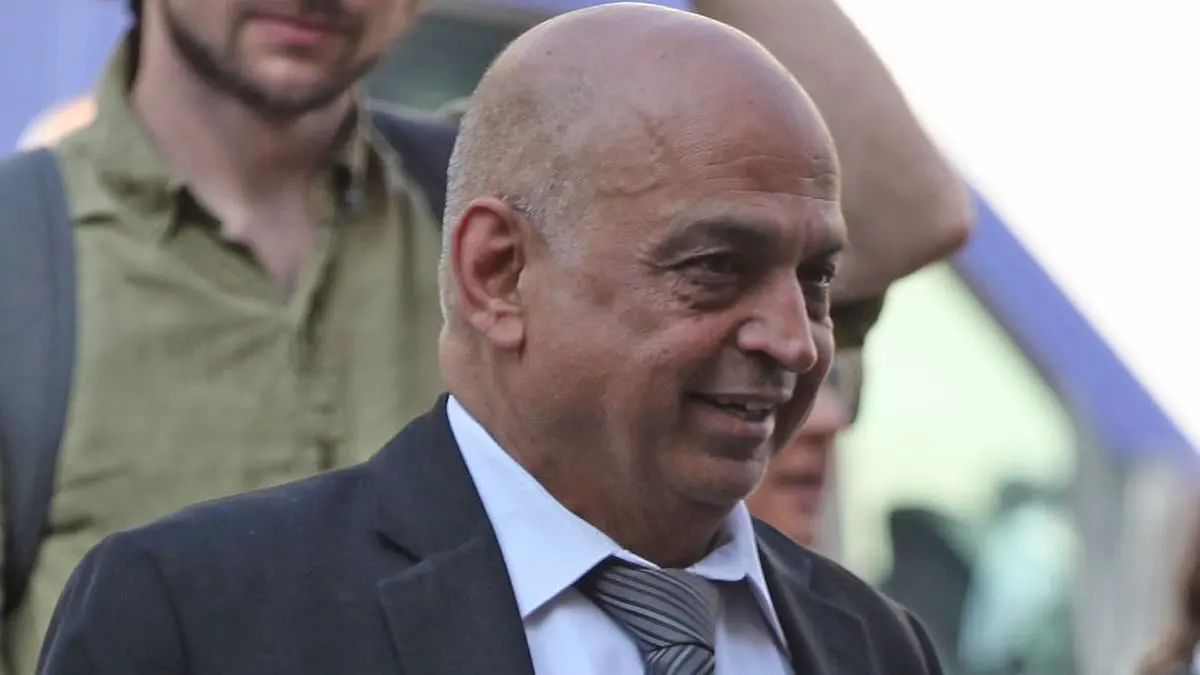
Taxi driver Bani Verma has taken his younger brother to court after being written out of their late father's £400,000 estate. Gowerdhan Dass, who died aged 89 in February 2024, changed his will in November 2023 to leave everything to his youngest son Harish, a driving instructor, and Harish's wife, substituting an earlier 2015 will that had divided the estate equally among all the children. This court battle centres on claims of undue influence and whether Bani was genuinely estranged from his father in his final years.
Bani's lawyers allege that Harish isolated their elderly father and plundered his money before death, including using £18,750 of the estate to buy a Jaguar Land Rover for his wife. However, Harish's legal team contends that Bani was emotionally distant, having visited only once in over two years, with his last recorded visit in January 2022 and no telephone calls between February 2022 and their father's death. The dispute has also focused on a peculiar accusation: Bani wore a tartan hat at the funeral, which Harish's lawyers characterise as disrespectful to their father's memory.
- Taxi driver cut from £400,000 after will changed months before death
- Accused: undue influence and isolating their elderly father
- Court case hinges on phone records and a tartan hat at funeral
New here? Start with this
Bani Verma, a taxi driver, has taken his brother to court over his late father's £400,000 estate. His father, Gowerdhan Dass, changed his will several months before dying at age 89 in February 2024, leaving everything to Bani's youngest brother Harish and Harish's wife, rather than dividing it equally among all children as an earlier will had stated. The court must now decide whether this change truly reflected the father's wishes or was unfairly influenced by Harish.
Bani's lawyers claim that Harish isolated their elderly father and misused his money, including spending £18,750 of estate funds on a car for Harish's wife. Harish's legal team counters that Bani became emotionally distant, visiting only once in over two years and having no phone contact for three years before their father's death. The case has also focused on an accusation that Bani disrespected his father by wearing a tartan hat to the funeral.
This type of inheritance case concerns whether elderly people are protected from family pressure and whether their true wishes are properly carried out. Courts must examine family relationships, the deceased's state of mind, and the circumstances of the will change to decide if it was genuinely the father's choice made freely. The outcome will affect both this family's finances and how similar disputes are judged in future.
Both sides, in good faith
The strongest fair case each way — we don't pick a winner.
The case for
Harish, as the son with greatest access and daily influence over their elderly father, was in a position to exercise undue influence in the 2023 will change. The shift from equal distribution in 2015 to everything going to Harish and his wife, combined with allegations of financial misuse including the £18,750 vehicle purchase, suggests the father may not have acted freely and independently. Elderly parents are vulnerable to subtle manipulation by children who control their daily environment and finances.
The case against
Bani was genuinely estranged from his father—visiting only once in over two years and maintaining no telephone contact for an extended period—whilst Harish was present and involved in daily care and companionship. A father's decision to leave his estate to the child who was actively present in his life represents a rational expression of his own values rather than undue influence. Changed family circumstances naturally lead to changed priorities, and the will change reflects the genuine shift in relationships that had developed over time.