Taylor Farms’ connections to Trump admin spurs probe into Cyclospora response
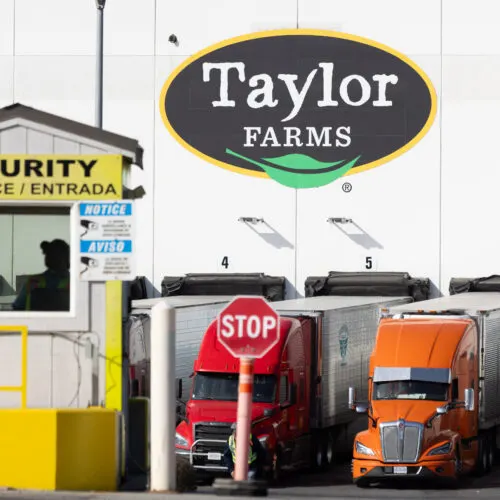
Senator Elizabeth Warren has asked US Health Secretary Robert F. Kennedy Jr. to explain what she calls the federal government’s mishandling of a record Cyclospora outbreak linked to Mexican-grown iceberg lettuce supplied by Taylor Farms. Her inquiry focuses on whether the company’s political donations and White House lobbying connections influenced food-safety oversight or delayed the official response, an allegation that raises concerns about public-health decision-making during an outbreak that has sickened more than 24,000 people and killed two.
Taylor Farms donated $1 million to a Trump-supporting super PAC shortly before the FDA delayed a food-traceability rule, while the company also employed former White House official Trent Morse as a lobbyist. Taco Bell reportedly removed lettuce on 7 July, but federal agencies did not identify lettuce at some of its restaurants until 17 July; Taylor Farms announced a recall that day and the FDA published it on 18 July. The recall lacked clear distribution details, though an FDA report said Walmart received 46% of recalled cases and Taco Bell’s parent company 2.5%; Warren is seeking records of communications between Taylor Farms and federal agencies.
- Warren seeks answers over the Cyclospora outbreak response.
- Taylor Farms’ political ties have prompted influence concerns.
- More than 24,000 people were sickened and two died.
New here? Start with this
Cyclospora is a parasite that can cause an intestinal illness, often spread through contaminated food. When several people become ill from the same food source, public-health agencies investigate to identify it and limit further exposure.
Taylor Farms is a major supplier of fresh produce, including lettuce grown in Mexico. The US Food and Drug Administration oversees food safety and works with other agencies and companies during investigations; food-traceability rules are intended to help identify where products came from and where they were sent.
The case has drawn attention to how outbreak decisions are made and whether political or business ties can affect food-safety oversight. It also highlights the importance of clear recall information so shops and restaurants can remove affected products.
Both sides, in good faith
The strongest fair case each way — we don't pick a winner.
The case for
Public health agencies must make decisions based solely on scientific evidence, free from political influence. The convergence of Taylor Farms' $1 million super PAC donation preceding an FDA rule delay, employment of a Trump White House official as a lobbyist, and a ten-day gap between retail removal of lettuce and federal identification of the source warrants serious scrutiny. With over 24,000 people sickened and two dead, the pattern of political access and the recall's lack of clear distribution details raises legitimate concerns that regulatory oversight may have been compromised, undermining confidence in food-safety responses.
The case against
Food safety investigations require epidemiological work and traceback procedures that inherently take time—the gap between retail caution and federal confirmation may reflect standard investigative protocols rather than improper delay. Political donations are lawful, many food companies employ lobbyists, and the FDA delaying a traceability rule could reflect numerous unrelated policy considerations. Without documented evidence of communications showing political connections actually influenced specific regulatory decisions, attributing agency actions to donations and hiring conflates legal corporate activity with proven misconduct. The recall ultimately occurred and worked, suggesting the process functioned despite imperfect efficiency.