Tech founder vibe codes game about shooting ‘zombies’ in San Francisco’s poorest neighborhood
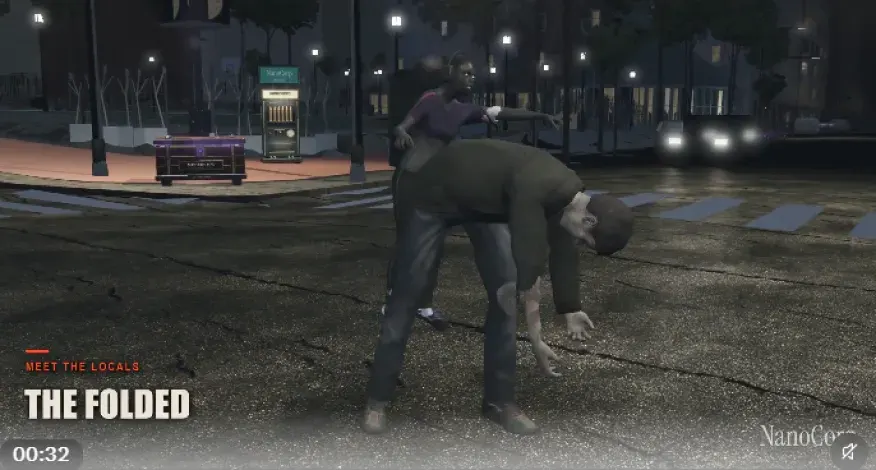
Pierre-Louis Biojout, founder of AI start-up NanoCorp, faced criticism after creating Tenderloin Night Shift, a web shooter set in San Francisco’s Tenderloin district, an area associated with homelessness and open drug use. Residents and city leaders objected to characters based on people in the neighbourhood being portrayed as zombies players could shoot, raising concerns about dehumanising vulnerable residents.
Biojout said he made the game as a weekend “vibe coding” project and that he had not meant to depict people being shot; he also said it included tech workers as characters. He had described earning $300 from in-game adverts, but the game was later removed from NanoCorp’s website and he deleted his post about it on X. A local homelessness advocacy group’s director said the project monetised the dehumanisation of residents, while some online commenters defended or endorsed its premise.
- A shooter game set in the Tenderloin drew criticism.
- Characters included people associated with addiction and a security guard.
- The game was taken down after public backlash.
Both sides, in good faith
The strongest fair case each way — we don't pick a winner.
The case for
Critics argue that turning recognisable Tenderloin residents into targets risks treating people facing homelessness or addiction as threats or spectacles, and can reinforce stigma in a neighbourhood already subject to public scrutiny. The concern is sharper because the game reportedly drew on local people and earned advertising revenue, making the portrayal seem exploitative even if it began as a casual project.
The case against
Defenders could argue that the game was intended as irreverent satire or exaggerated fiction about the neighbourhood, rather than a literal endorsement of violence against residents; its creator said he did not mean for players to shoot real people and included tech workers among the characters. They may also see room for provocative games to depict uncomfortable urban conditions, while accepting that the creator’s intent does not settle how residents reasonably experience the portrayal.