Politics news and discussion on TalkFuse.
TED JENKIN: Democrats took Congress. Don’t let your emotions make bad money moves
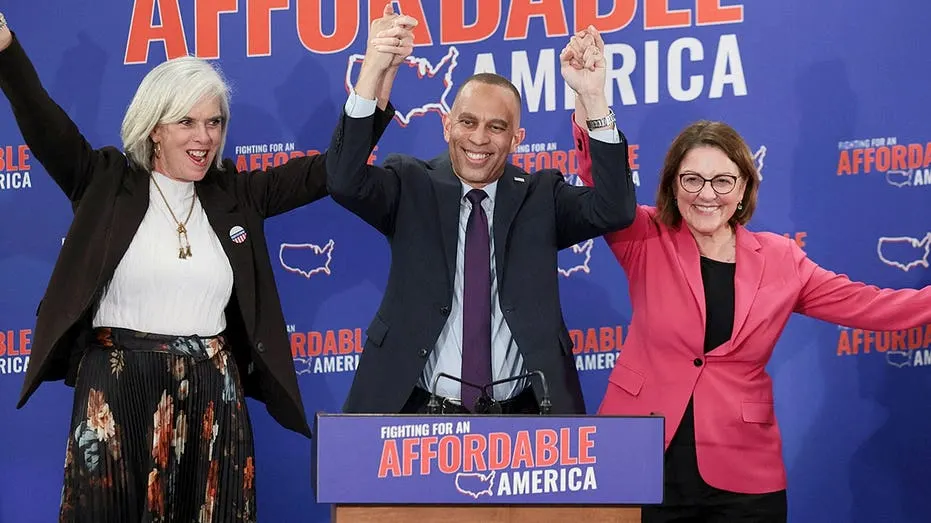
Democrats have taken control of both the House and Senate while Donald Trump remains president, raising questions about how the political shift could affect investors. The article urges people not to make sudden changes to retirement portfolios based on election emotions, arguing that market performance depends on more than which party controls Washington.
RBC Wealth Management and Bloomberg data show the S&P 500 averaged 4.9% a year under a Republican president and a Democratic-controlled Congress from 1953 to 2025, the lowest of six political arrangements; these price returns exclude dividends and are not forecasts. Capital Group found the index gained an average of 15.4% in the 12 months after midterm elections since 1950, with every period in its study positive. The article says corporate earnings, interest rates, inflation, taxes, government spending and debt are key factors to watch.
In short
- A split Congress and Republican president have coincided with lower historical S&P 500 returns.
- The S&P 500 rose in every post-midterm period in one historical study.
- Earnings, rates and inflation may matter more than political control.
Steelman: both sides, in good faith
The strongest fair case each way — we don't pick a winner.
The case for
Investors should avoid changing retirement portfolios in response to election-driven fear or enthusiasm, since political control is only one influence on markets and past party configurations do not reliably predict future returns. A diversified plan based on long-term goals is better served by attention to earnings, interest rates, inflation, taxes and public finances than by sudden political bets.
The case against
A change in control of Congress can affect taxes, spending, regulation and government borrowing, which may alter the outlook for particular sectors and the wider economy. Investors could reasonably review whether their portfolios still fit their goals and risk tolerance as policy changes emerge; avoiding impulsive trades need not mean ignoring material shifts or holding an allocation that no longer suits them.
Elections Government Politics World