Health news and discussion on TalkFuse.
Teen mental health is slightly less bad in new survey — but the problems of social isolation continue
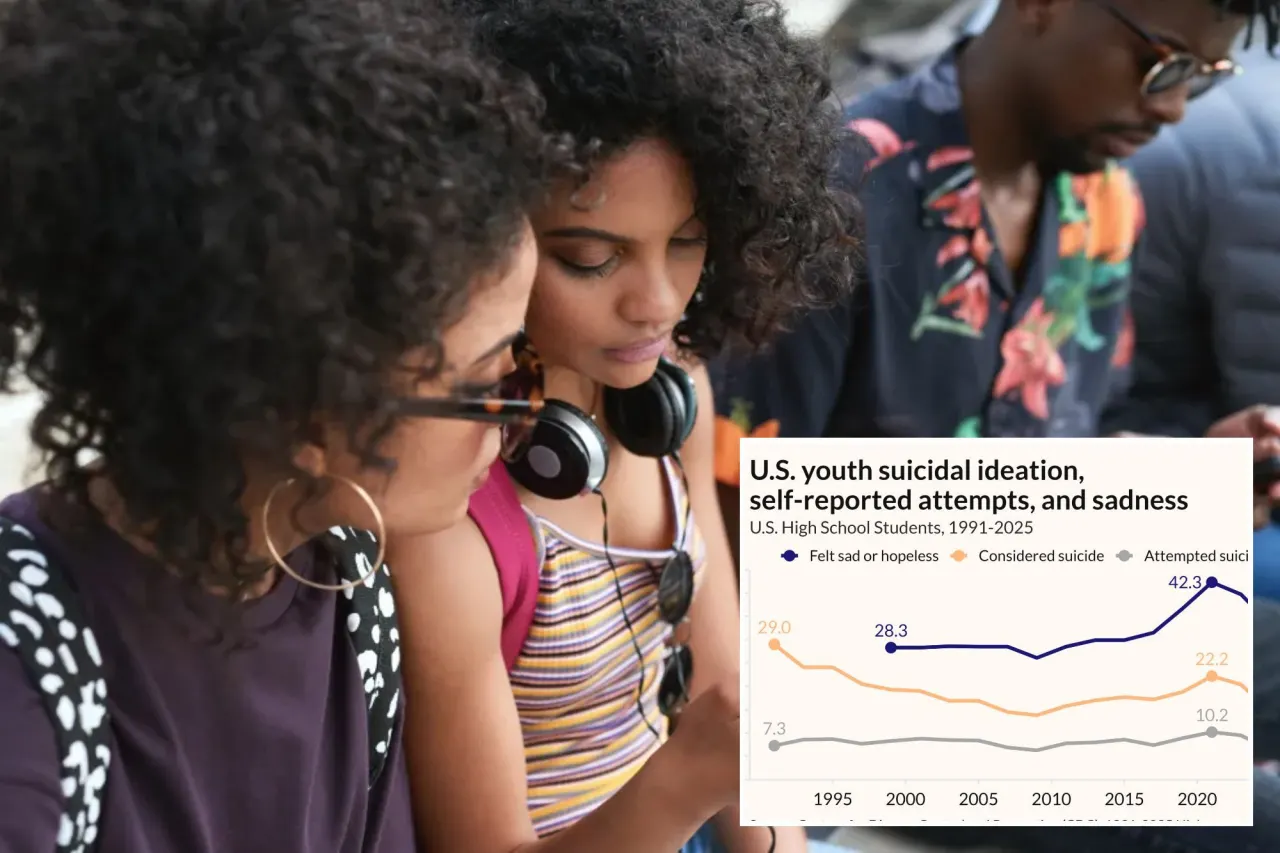
US survey data suggest teenagers’ mental health has improved since the pandemic-era peak in 2021, with fewer reporting depressive symptoms, suicidal thoughts or attempts. The figures offer some cautious reassurance, but the article argues that improvement from an unusually difficult period does not mean the wider problem has been solved.
The report analysed biennial CDC survey data: the share of high-school students reporting prolonged sadness fell from 42% in 2021 to 33%, while suicidal ideation declined from 22.2% to 14.5% and reported attempts from 10.2% to 6.4% by 2025. Researchers quoted in the article caution that rates remain higher than around 2011, and that social isolation, weakened relationships and a lack of purpose may continue to affect young people.
In short
- Teen mental health measures improved after their 2021 peak.
- Reported suicidal thoughts fell to 14.5% in 2025.
- Experts say levels remain worse than around 2011.
Steelman: both sides, in good faith
The strongest fair case each way — we don't pick a winner.
The case for
The declines in reported sadness, suicidal thoughts and attempts are meaningful signs that teenagers’ wellbeing may be recovering from the pandemic-era peak. They support cautious optimism that conditions or support have improved, while regular surveys can help track whether progress continues.
The case against
The improvement does not show that the wider mental-health problem has been resolved: reported distress remains substantial, and some measures are still worse than around 2011. Persistent social isolation, weakened relationships and lack of purpose may continue to harm young people, so the figures argue for sustained attention rather than treating the decline as an all-clear.
Explained simply
The US Centers for Disease Control and Prevention (CDC) surveys high-school students every two years about their health and experiences. Its figures let researchers track changes over time, including how many teenagers report prolonged sadness or thoughts of suicide.
The pandemic disrupted school and social life for many young people, and reported mental health problems rose during that period. Later declines are encouraging, but some measures remain above levels recorded around 2011. Researchers also point to social isolation, strained relationships and a lack of purpose as concerns that may persist.