Entertainment news and discussion on TalkFuse.
Teenage Sex and Death at Camp Miasma takes pains to deliver a slasher fan’s dream
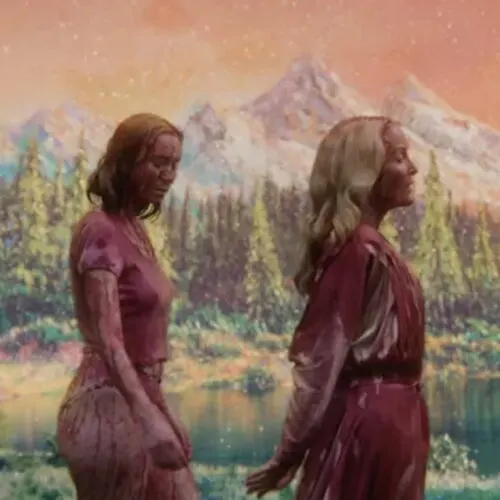
Filmmaker Jane Schoenbrun's new horror-comedy Teenage Sex and Death at Camp Miasma pays loving, obsessive tribute to the slasher genre while telling a personal story about childhood fandom for entertainment never meant for young eyes. The film follows Kris (Hannah Einbinder), a queer director hired to reboot a Friday the 13th-style camp franchise, who is pulled into a fantasy while visiting the original film's reclusive "final girl," Billy Preston (Gillian Anderson). Schoenbrun, who has said they know slasher films "so, so deeply," uses the fictional Camp Miasma franchise to explore the intense emotional pull such films had on them as a child, echoing themes from their previous film, I Saw the TV Glow.
To achieve the desired dreamlike, immersive look, production designers Brandon Tonner-Connolly and Matt Hyland revived matte painting, a largely lost pre-CGI technique in which artists paint backdrops onto glass, leaving gaps for actors to appear to walk through the scene. With no living practitioners to consult, the team pieced the method together from old film books and blogs; fine artist Joel Rodriguez created five such paintings for the film, drawing comparisons to classics like Metropolis and Hitchcock's The Birds. Schoenbrun was reportedly so pleased with the results that more matte-painting footage was added than originally planned.
In short
- Jane Schoenbrun's new film is a personal, meta take on slasher movies.
- Hannah Einbinder plays a director rebooting a fictional slasher franchise.
- Designers revived old-school matte painting technique for the visuals.
Explained simply
Slasher films are horror stories built around a killer who stalks and attacks a group of people, often in an isolated setting such as a summer camp. The genre became especially popular in the late 1970s and 1980s, with films such as Friday the 13th, which helped establish familiar characters and settings that later films could revisit.
Jane Schoenbrun’s film centres on Kris, a queer director asked to reboot a fictional camp-slasher series, and Billy Preston, the reclusive survivor of its original film. It connects the work of making a franchise film with the powerful hold horror fandom can have on someone who encountered it as a child.
The production also draws on matte painting, an old filmmaking technique for creating painted backgrounds that make sets appear larger or more otherworldly. Its use links the film’s dreamlike look to earlier cinema and shows how older craft methods can still shape modern films.