Ten-man Ukrainian drone unit wiped out entire British brigade in war games… now expert warns NATO is ‘a decade behind Russia on the battlefield’
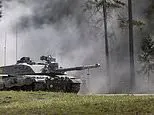
A war-gaming exercise found that a ten-strong Ukrainian drone unit was able to destroy an entire British Army brigade, prompting a defence expert to warn that NATO forces remain roughly a decade behind Russia's battlefield capabilities. The simulation highlights growing concern among Western military analysts that conventional heavy units, of the kind Britain and its allies still rely on, are dangerously vulnerable to the cheap, mass-produced drone tactics refined by both sides during the war in Ukraine.
The exercise underscores how drone warfare, honed through years of fighting in Ukraine, has outpaced the doctrine, equipment and training of NATO militaries, according to the expert cited. The disparity raises questions about whether the alliance, including the British Army, is adequately prepared for a future conflict against a technologically adapted adversary such as Russia, and adds to pressure for urgent modernisation of drone and counter-drone capabilities.
In short
- War game: small Ukrainian drone unit defeated a full British brigade
- Expert says NATO trails Russia by about a decade on drone warfare
- Raises concerns over Britain's readiness for modern battlefield threats
Steelman: both sides, in good faith
The strongest fair case each way — we don't pick a winner.
The case for
The argument for taking this warning seriously holds that the simulation reflects genuine vulnerabilities exposed across years of actual warfare in Ukraine. Cheap, coordinated drones have repeatedly overwhelmed traditional military formations and defensive systems, and NATO forces trained under Cold War doctrine lack adequate counter-drone capabilities, dispersed tactical doctrine, and psychological preparation for this threat pattern. Modernisation is not optional but urgent: without it, NATO risks catastrophic losses against an adversary who has spent years perfecting these tactics in actual combat conditions.
The case against
The counterargument notes that a single war game exercise, whilst instructive, cannot fairly assess NATO's full defensive posture. War games rely on simplifying assumptions that omit NATO's genuine advantages: superior integrated air defence, intelligence capabilities, electronic warfare systems, industrial capacity, and coordinated alliance command structures. A ten-person drone unit in a constrained simulation differs markedly from operating against NATO's complete defensive ecosystem. Historical military doctrine is not necessarily obsolete; NATO's professional armies, logistical superiority and alliance structure provide real capabilities a single exercise cannot measure. Prudent modernisation is sensible, but wholesale rejection of conventional capabilities would be premature and potentially self-defeating.
Explained simply
A brigade is a large military formation made up of several thousand troops, vehicles and supporting units. Ukraine’s war with Russia has shown how relatively small teams using inexpensive drones can spot forces, share their positions and direct attacks, changing how armies operate.
Britain and other NATO countries have traditionally built forces around larger units and costly equipment, while Russia and Ukraine have adapted their tactics during years of fighting. The comparison matters because NATO members are assessing whether their training, equipment and defences can protect troops from widespread drone use in a future conflict.
Europe Geopolitics Politics UK World