Tencent’s cyberpunk rival to Grand Theft Auto is in trouble as its developer lays off 80 people
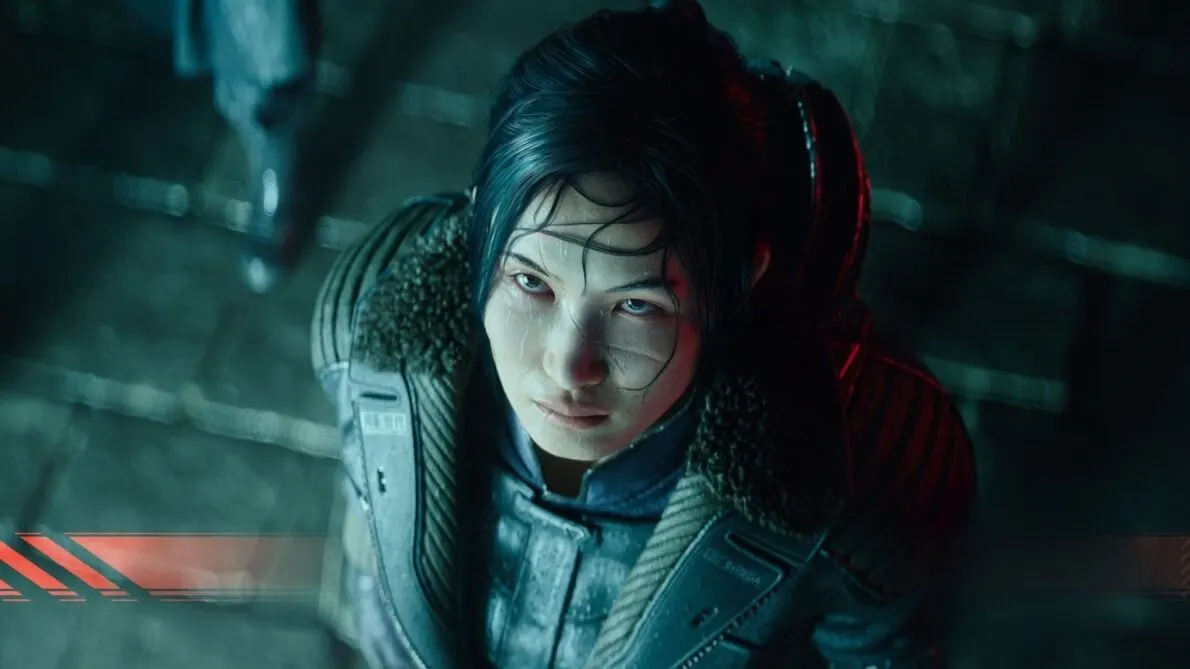
Tencent-owned Lightspeed LA has laid off around 80 staff after changing the creative direction of Last Sentinel, an ambitious cyberpunk open-world game positioned as a potential rival to Grand Theft Auto. The cuts suggest the project has encountered serious development problems and cast doubt over how closely its eventual form will resemble the game originally announced.
Last Sentinel was revealed at The Game Awards in 2023 and is led by former Rockstar Games developer Steve Martin, with a futuristic Tokyo setting and a crime-focused open world. Reports say Tencent declined to proceed with the game in its existing form after a final presentation in July, although the company maintains that development will continue under a new direction; no release date has been announced.
- Last Sentinel’s developer cut around 80 jobs after a creative overhaul.
- Tencent reportedly rejected the game’s existing direction.
- The cyberpunk open-world project remains in development.
Both sides, in good faith
The strongest fair case each way — we don't pick a winner.
The case for
Supporters of Tencent’s decision may argue that redirecting a costly project before it advances further is responsible stewardship. If the original concept did not meet the company’s quality, commercial or creative standards, a reset could protect the remaining team from years spent pursuing a game unlikely to succeed, while preserving the chance to make a stronger title from its underlying talent and technology. They may also see the decision as evidence that large publishers should not let a high-profile premise or earlier marketing commitment override honest assessment of a project’s prospects.
The case against
Critics may argue that laying off roughly 80 people after publicly promoting an ambitious game places the cost of strategic uncertainty on employees rather than the company that set the project’s direction. A drastic change late in development can waste creative work, unsettle the remaining team and undermine confidence among players and developers, especially when little is known about the revised plan. They may contend that a well-resourced owner such as Tencent should provide clearer long-term planning and greater protection for staff while resolving creative disagreements.