Culture news and discussion on TalkFuse.
Tensions flare as demonstrators target Jewish restaurants, drawing massive counterprotest
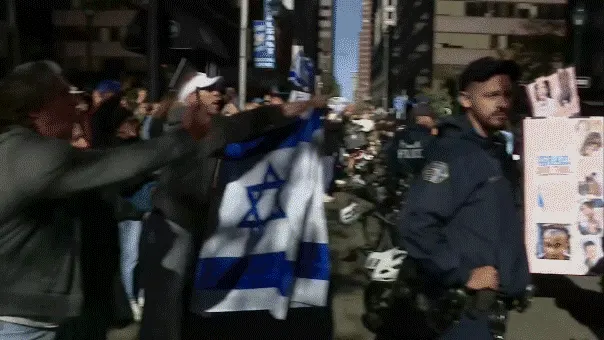
A bicycle-led boycott of six Jewish-owned restaurants in Philadelphia’s Rittenhouse Square drew a large counterprotest on Sunday, with heated exchanges between pro-Palestinian demonstrators and Jewish and pro-Israel residents. The event prompted criticism because it publicly targeted Jewish businesses and took place on the eve of the anniversary of Kristallnacht, the 1938 anti-Jewish pogrom.
Police said about 500 people took part: roughly 300 pro-Palestinian demonstrators, including 200 cyclists, and 200 counterprotesters. At least three people were arrested, two officers suffered minor injuries, and a counterprotester reported being assaulted; police reported no property damage and said the area returned to normal by late afternoon. Organisers said they opposed the businesses’ owners’ support for Israel and described the ride as nonviolent, while the Jewish Federation called the targeting antisemitic.
In short
- A boycott ride targeted six Jewish-owned Philadelphia restaurants.
- About 500 demonstrators and counterprotesters took part.
- Police made three arrests and reported no property damage.
Steelman: both sides, in good faith
The strongest fair case each way — we don't pick a winner.
The case for
Advocates of the boycott could argue that consumers have a right to withhold custom from businesses whose owners’ public political positions they oppose, and that visible, nonviolent protest can draw attention to Palestinian suffering and calls for accountability. They may see the ride as political advocacy directed at owners’ expressed support for Israel, rather than at Jewish people as a whole.
The case against
Critics could argue that singling out restaurants because their owners are Jewish and support Israel risks treating Jewish identity as grounds for public pressure, rather than focusing protest on specific policies or institutions. The timing on the eve of Kristallnacht’s anniversary could intensify that message and cause fear among Jewish residents, even if organisers intended the demonstration to be nonviolent.
Culture Food Middle East World