Terrible parking lot etiquette rocks America’s ritziest mountain town as hikers get up at crack of dawn to take on famed trail
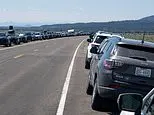
Grand Teton National Park in Wyoming, close to the wealthy resort town of Jackson Hole, has become so popular with hikers that many are arriving at trailhead car parks before dawn to secure a space, according to the report. The surge in visitors is reportedly leading to poor parking etiquette, with frustration mounting among those trying to access one of the park's most famous trails.
The article's original text was not fully available for detailed extraction, so specific figures, trail names and quoted sources could not be confirmed. The broader picture described is one of overcrowding pressures common to popular US national parks, where a limited number of trailhead parking spaces forces visitors into ever-earlier starts to guarantee access.
- Grand Teton hikers now arrive pre-dawn to grab parking spots
- Overcrowding is fuelling poor parking lot etiquette near Jackson Hole
- Popular trail's limited parking can't keep pace with visitor demand
New here? Start with this
Grand Teton National Park in Wyoming is known for its mountain scenery and hiking trails. It sits near Jackson Hole, a resort area popular with visitors.
Trailheads are the points where walking routes begin, and their car parks can have limited space. When many people arrive to hike the same routes, finding a space can become difficult, prompting some to arrive very early.
Crowding at trailheads can affect visitors’ access to popular walks and create disputes over parking. It is part of a wider challenge for busy national parks: balancing visitor access with limited facilities.
Both sides, in good faith
The strongest fair case each way — we don't pick a winner.
The case for
Advocates for tighter management, such as timed permits, shuttle systems or reservation quotas, argue that unmanaged first-come-first-served parking is unsustainable given surging visitor numbers, and that leaving hikers to gamble on pre-dawn arrivals or roadside parking creates real safety hazards, verge erosion and conflict with residents. They see structured access as the fairest way to protect a fragile natural resource and preserve the experience for everyone, rather than rewarding only those able and willing to rise earliest.
The case against
Those wary of formal restrictions argue that public trails should remain open and free to all on equal terms, without reservation systems, apps or fees that tend to favour the tech-savvy, the well-connected or those with flexible schedules over shift workers and casual visitors. They value the tradition of unregulated, spontaneous access to public land, and worry that permit schemes are a slippery slope toward turning a shared natural resource into something gatekept, bureaucratic and quietly exclusive.