Culture news and discussion on TalkFuse.
Berkeley student calls for security reforms after man follows her home
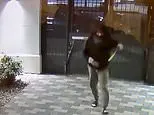
UC Berkeley student Eden Winograd was chased to her apartment on 15 September near her off-campus home in Berkeley, California. Surveillance footage captured the man climbing over her security gate to follow her into the complex, causing significant trauma and prompting her to demand urgent security reforms. The incident has left Winograd questioning her safety and criticising the system's response.
The suspect, identified as 50-year-old Kenneth Kenji Stine, who was unhoused, was detained by Berkeley police on 16 September but released shortly afterwards. Officers cited insufficient evidence for a stalking charge, explaining that trespassing is a misdemeanour and they cannot make a warrantless arrest for offences they did not personally witness. The case was forwarded to the Alameda County District Attorney's Office for review, and Stine was later arrested on 19 September after an unrelated outstanding warrant was discovered.
In short
- Woman chased into apartment; suspect released because police lacked direct witness to misdemeanour
- California law prevents warrantless arrests for misdemeanours officers didn't personally observe
- Victim frustrated with system delays, demands urgent security improvements
Steelman: both sides, in good faith
The strongest fair case each way — we don't pick a winner.
The case for
Winograd’s experience and the footage support her call for stronger security and a more responsive process when someone is followed into a residential complex. Requiring a victim to wait while evidence and charging authority are reviewed can leave people feeling unprotected; clear procedures and timely support could help address that concern.
The case against
Police must act within legal limits and have sufficient evidence before arresting someone for stalking, particularly when officers did not witness the alleged offence and trespassing is treated as a misdemeanour. A careful review by prosecutors can protect due process and avoid arrests unsupported by the evidence, while the later arrest on an outstanding warrant shows that other legal grounds were pursued.
Explained simply
The University of California, Berkeley is a public university in the city of Berkeley, across the bay from San Francisco. Many students live in private housing near campus, outside the university’s grounds and security arrangements.
Berkeley police handle reports of suspected crimes in the city, while the Alameda County District Attorney’s Office reviews cases and decides whether to bring charges. Trespassing means entering or remaining on property without permission; stalking generally involves repeated unwanted conduct, and the legal test for a charge is different.
The case has raised questions about how police can respond when reported behaviour is frightening but may not meet the threshold for an immediate arrest. It also highlights how responsibility for student safety can involve the university, local police, landlords and county prosecutors.
Art Culture Entertainment Horror World
Read the full article at the source →
Originally published by Daily Mail as “Terrifying moment college student narrowly escapes stalker who chases her home and vaults over gate in race to her front door… but police let him walk for infuriating reason”.