Technology news and discussion on TalkFuse.
Tesla driver who blamed crash on autopilot pressed accelerator 100%, NTSB finds
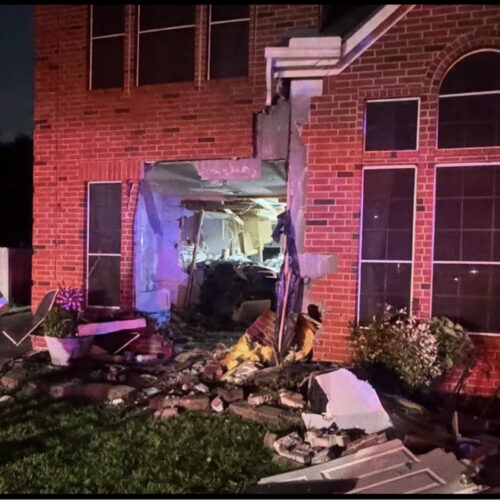
The US National Transportation Safety Board (NTSB) has released preliminary findings supporting Tesla's claim that a driver, rather than its Full Self-Driving (FSD) system, was responsible for a fatal crash in Texas. Michael Butler, 44, had told police FSD was engaged when his Tesla struck a house, killing 76-year-old Martha Avila, but Elon Musk and Tesla disputed this, saying Butler had manually overridden the system. The case matters because it touches on the reliability of Tesla's driver-assistance claims and on how blame is apportioned when crashes occur with such systems active.
NTSB's probe found that although FSD was engaged, electronic data showed Butler had overridden it by pressing the accelerator to 100 percent in a residential area, corroborating Tesla's account. Phone data reportedly showed Butler, working as a DoorDash driver at the time, had searched terms such as "Tesla FSD not aggressive enough" beforehand, and he told police he passed out before the crash. Security footage showed the car travelling straight through an intersection at over 70mph rather than turning as planned, before hitting the house. Butler faces manslaughter charges and a $150,000 bond, and is being sued alongside Tesla by Avila's family, who allege a possible defect causing unintended acceleration; both the NTSB and the National Highway Traffic Safety Administration have ongoing investigations.
In short
- NTSB preliminary findings back Tesla's claim driver overrode FSD before fatal crash
- Driver pressed accelerator to 100%, causing car to hit a house, killing a woman
- Driver charged with manslaughter; Tesla also faces a lawsuit from the victim's family
Steelman: both sides, in good faith
The strongest fair case each way — we don't pick a winner.
The case for
The NTSB's electronic evidence definitively shows the driver pressed the accelerator to 100 percent, manually overriding the FSD system whilst travelling through a residential area. This represents deliberate driver action, not a system malfunction, and Tesla's system functioned as designed when the driver took manual control. Tesla cannot reasonably be held responsible for a user deliberately misusing its system, and the driver bears the consequences of his dangerous choice.
The case against
Even granting that the driver pressed the accelerator, substantive questions about system design and safety remain. A more robustly engineered autonomous vehicle might incorporate safeguards such as detecting driver incapacity, limiting dangerous inputs in residential areas, or automatically disengaging when dangerous conditions are detected. The Avila family's ongoing allegations of possible acceleration defects warrant investigation, and reasonable people can question whether Tesla bears responsibility for enabling a system that can be overridden so completely without adequate emergency protections.
Explained simply
A fatal car crash in Texas has sparked a significant dispute about responsibility when vehicles equipped with self-driving features are involved in accidents. A Tesla with its Full Self-Driving system engaged struck a house in a residential area, killing Martha Avila, a 76-year-old resident. The driver and Tesla have offered conflicting accounts of how the crash occurred.
Tesla's Full Self-Driving is an advanced driver-assistance system that can partially automate driving tasks, but it requires ongoing driver attention and remains under the driver's ultimate control. When crashes involving such systems occur, determining whether responsibility lies with the technology or the driver becomes a crucial legal and safety question, with implications for how these systems are understood and regulated.
The victim's family has filed civil litigation against both the driver and Tesla, whilst regulatory authorities are investigating the incident. Criminal charges have also been filed against the driver. The case is likely to establish important precedents for how responsibility is assigned in accidents involving self-driving features, potentially influencing future regulation of such technology.