Tesla revives Roadster plans with nitrogen jets and bold performance claims
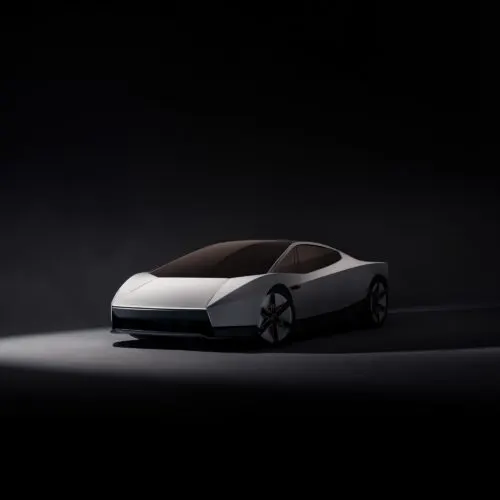
Tesla has revived its long-delayed Roadster project, presenting a show car that uses compressed nitrogen jets to perform airborne stunts. The announcement matters because it renews ambitious performance and production promises while the company faces falling sales and pressure on its core business.
Elon Musk claims the rear-wheel-drive electric car could reach 383 mph and accelerate from 0 to 60 mph in 0.8 seconds, with production planned by 2028. Tesla has not delivered Roadsters to earlier reservation holders, some of whom paid $50,000 deposits; meanwhile, the article contrasts its claims with the McMurtry Spéirling, an electric hypercar already in production, and notes intensifying competition in Europe and China.
- Tesla has revived its delayed Roadster project with nitrogen-powered stunt jets.
- Musk claims 383 mph and a 0.8-second 0-60 mph time.
- Production is promised by 2028, despite earlier delays and unpaid reservations.
Both sides, in good faith
The strongest fair case each way — we don't pick a winner.
The case for
The Roadster could demonstrate Tesla’s ability to push electric vehicle performance and engineering into new territory, while the nitrogen-jet concept may serve as a technology showcase even if the headline figures are not yet proven. Renewing the project could also reward long-waiting reservation holders and help sustain investment and interest in an increasingly competitive market, provided Tesla turns its claims into a deliverable car.
The case against
Tesla’s past delays and undelivered reservations give customers and investors reason to seek credible evidence before trusting another distant production promise. Extraordinary speed and acceleration claims, alongside a spectacular show car, may distract from delivery and competition pressures if they are not backed by independent testing, a practical production design and a clear plan for fulfilling existing commitments.
Read the full article at the source →
Originally published by Ars Technica as “Tesla turns to 50-year-old stunt technology as it tries to Roadster again”.