Sport news and discussion on TalkFuse.
Texas AG Ken Paxton sends message to WNBA amid ‘concerns’ over treatment of Sophie Cunningham supporters
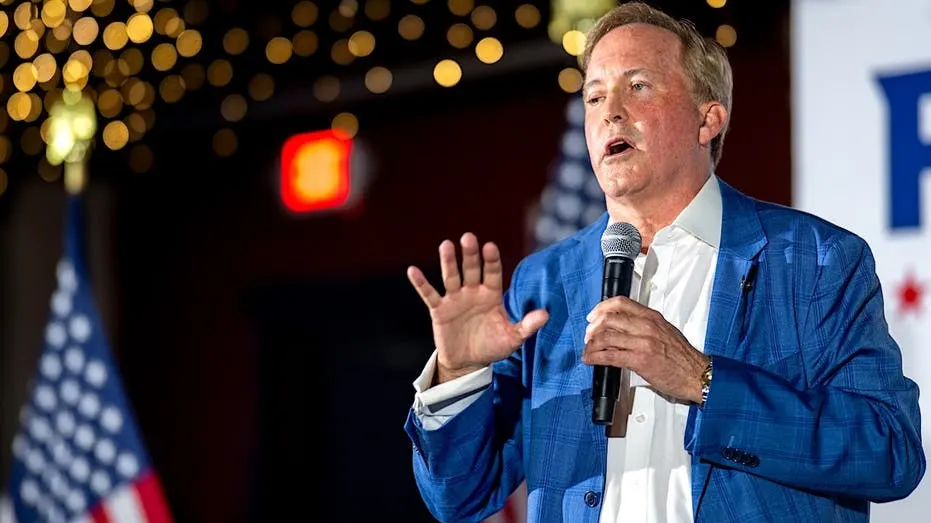
Texas Attorney General Ken Paxton attended a WNBA game in Dallas alongside a "Sophie Cunningham Night" rally, using the occasion to voice cautious optimism about how the league is treating fans who support Cunningham while restating his opposition to transgender women competing in women's sports. His presence adds a prominent political figure to an ongoing culture-war dispute that has increasingly spilled into WNBA arenas and media coverage this season.
Paxton attended the Indiana Fever's match against the Dallas Wings at American Airlines Center with his daughter, Mattie, both wearing matching "XX-XY" T-shirts, a symbol used by campaigners opposing transgender participation in women's sport. Women's sports advocates rallied outside the venue before tip-off, part of a series of "Sophie Night" events organised by the mother of a former college volleyball player. The article does not detail what specific "concerns" prompted Paxton's comments or provide the WNBA's response.
In short
- Texas AG Ken Paxton attended a WNBA rally supporting Sophie Cunningham in Dallas.
- He and his daughter wore "XX-XY" shirts opposing trans women in women's sport.
- Paxton voiced cautious optimism about fans' treatment by the WNBA.
Steelman: both sides, in good faith
The strongest fair case each way — we don't pick a winner.
The case for
Those who support Paxton's position argue that women's sports categories exist to protect athletic opportunities and fair competition based on sex, reflecting meaningful biological differences in athletic performance. They contend that expressing this view is legitimate free speech on a matter of genuine public policy importance, and that major institutions should engage respectfully with diverse perspectives. They see their activism as defending the advancement and opportunities of female athletes.
The case against
Those who oppose this activism at sports venues argue that professional sports should be inclusive spaces where all feel welcome, and that political messaging targeting marginalised groups creates hostile environments discouraging transgender participation. They contend that while underlying debates about sports policy may deserve serious consideration, WNBA games should remain focused on athletic competition and community rather than becoming sites for cultural conflict. They believe responsible institutions should maintain welcoming spaces without platforming messaging experienced as exclusionary.
Explained simply
The WNBA is the United States’ top professional women’s basketball league. The Indiana Fever and Dallas Wings are two of its teams, and their games have drawn attention this season amid wider debate about transgender women competing in women’s sport.
Sophie Cunningham is a player for the Fever. Events described as “Sophie Night” have been organised by campaigners who support her and oppose transgender women competing in women’s sport; Texas Attorney General Ken Paxton is a prominent Republican politician who shares that opposition. The dispute matters because it brings questions about sport and inclusion into the league’s games and public coverage.
Basketball Cricket Health Medicine Sport World