World news and discussion on TalkFuse.
Texas Democrats put DEI back on agenda after sweeping to power
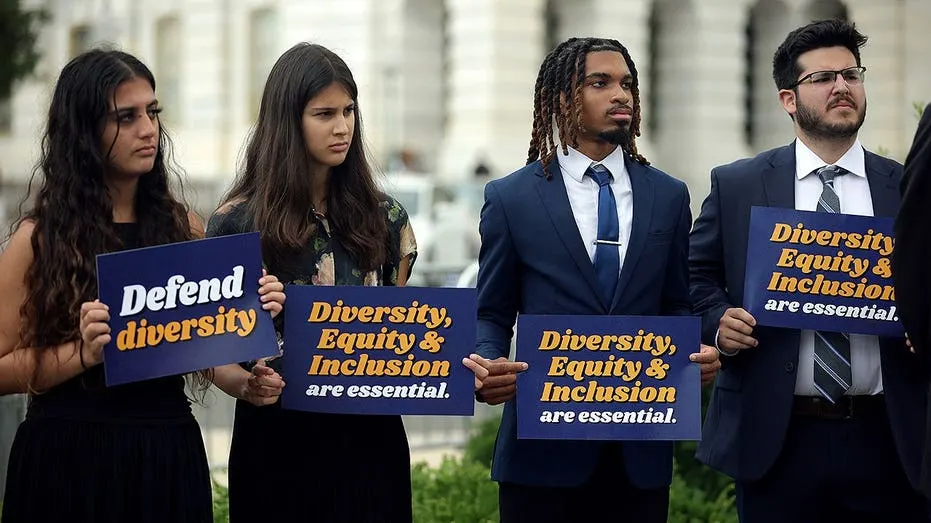
Texas Democrats plan to make restoring diversity, equity and inclusion programmes at public universities an early priority after gaining power in the state House. Their bills would repeal a 2023 Republican law, but the effort is unlikely to pass while Republicans control the Texas Senate; it puts a major education policy dispute back in the spotlight.
The law, which took effect on 1 January 2024, closed DEI offices and barred related duties, mandatory training and certain preferences, with exceptions for academic work and student organisations. UT System Chancellor J.B. Milliken said the system closed 21 offices, eliminated 311 DEI-focused jobs and cancelled 681 contracts, programmes and training sessions. A conservative policy group says new appointments to university governing boards could also affect enforcement, although some universities deny that they have kept DEI operations under different names.
In short
- Texas Democrats want to repeal the state’s 2023 university DEI ban.
- Republicans control the Senate, making repeal unlikely.
- University board appointments could influence how the law is enforced.
Steelman: both sides, in good faith
The strongest fair case each way — we don't pick a winner.
The case for
Supporters of restoring DEI programmes argue that universities should be able to address barriers facing students and staff, and that dedicated offices, training and programmes can help make access and treatment fairer. They may also see the 2023 restrictions as limiting universities’ ability to respond to their own communities, so repeal would restore institutional discretion while leaving academic work and student groups protected.
The case against
Opponents argue that public universities should treat people as individuals rather than use race or other identity-based preferences, and that dedicated DEI offices and mandatory training can promote divisive approaches or constrain open debate. They may view the 2023 law as a way to ensure public institutions focus on equal rules and core educational responsibilities, while retaining exceptions for academic work and student organisations.