Business news and discussion on TalkFuse.
TfL brings case worth up to £1bn against carmakers over Ulez compliance
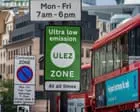
Transport for London (TfL) is pursuing legal action potentially worth up to £1bn against carmakers including Stellantis, Jaguar Land Rover, BMW and Nissan, alleging fraud and negligence over diesel vehicles that avoided paying to enter the capital's ultra-low emission zone (Ulez). TfL's lawyers argue manufacturers falsely represented that certain diesel models met emissions standards, allowing them to enter the zone without paying the daily charge and depriving TfL of revenue while undermining efforts to improve air quality.
The Ulez, launched in 2019 and expanded citywide in 2024, charges owners of the most polluting vehicles, mostly diesels over 11 years old, £12.50 a day. TfL's case, launched in 2024, was paused pending the separate "dieselgate" litigation over alleged defeat devices, which was largely rejected by the High Court this month, though an appeal is being considered; TfL has now been granted a stay until October while that appeal is weighed. Lawyers for the manufacturers say TfL's allegations are serious but lack proper detail, while TfL says the case concerns lost Ulez revenue and remains central to its air quality goals.
In short
- TfL seeks up to £1bn from carmakers over alleged Ulez non-compliance.
- Case alleges fraud and negligence linked to diesel emissions claims.
- Action is stayed until October pending related "dieselgate" appeal.
Steelman: both sides, in good faith
The strongest fair case each way — we don't pick a winner.
The case for
TfL can argue that if manufacturers misrepresented vehicles’ emissions performance, drivers may have been wrongly led to believe their cars complied with Ulez rules. Recovering lost charges would protect public funds and reinforce the scheme’s aim of improving air quality.
The case against
The manufacturers can argue that serious claims of fraud and negligence need clear, model-specific evidence, and that TfL has not yet provided enough detail to answer them properly. They may also contend that the separate diesel litigation’s findings and any appeal should be considered before this case proceeds.
Explained simply
The ultra-low emission zone, or Ulez, is a charging scheme operated by Transport for London that requires owners of the most polluting vehicles to pay a daily fee to enter the capital. The scheme was introduced because air pollution in cities harms public health, particularly from older diesel vehicles which emit high levels of pollutants. By charging drivers of older diesel cars, the scheme encourages people to use cleaner vehicles or public transport instead.
Transport for London has taken legal action against several major carmakers, alleging that they misrepresented whether certain diesel vehicles met the emissions standards needed to avoid the Ulez charge. If accurate, the misrepresentation would have allowed owners to avoid charges they should have paid, depriving TfL of revenue and leaving more polluting vehicles on the roads. The manufacturers dispute these allegations.
The case raises questions about whether large manufacturers can be trusted to accurately declare how clean their vehicles are. It also shows the challenge cities face when trying to improve air quality through schemes that depend on reliable emissions data. The outcome could affect both TfL's funding and the environmental improvements the scheme was intended to achieve.