World news and discussion on TalkFuse.
Thanksgiving is our ‘divine’ American tradition — a historical breakdown
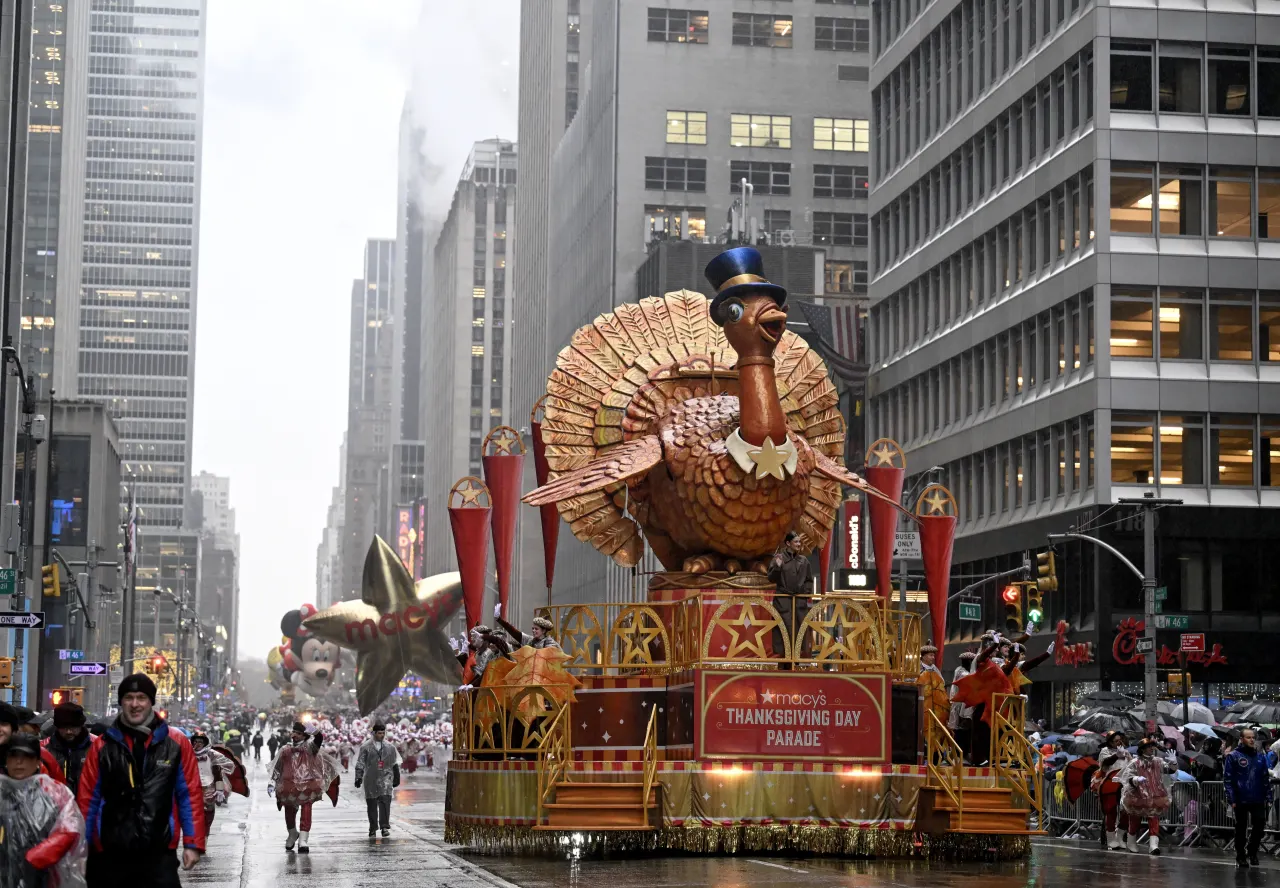
The opinion article traces Thanksgiving as an American tradition, arguing that familiar parts of the holiday do not all date back to its beginnings. It uses a humorous, conversational account of early American history to connect the holiday with national identity, gratitude and family gatherings.
The piece says the Pilgrims landed at Provincetown before sailing to Plymouth, and that turkey probably was not served at the 1621 gathering. George Washington proclaimed a public day of thanksgiving in 1789, when turkey was common, but the article credits writer Sarah Josepha Hale with helping establish the Thanksgiving tradition. It also notes that Thanksgiving was not initially an official annual holiday and jokes about modern family meals and the work they involve.
In short
- Thanksgiving’s familiar customs developed over time.
- The Pilgrims landed first at Provincetown.
- Sarah Josepha Hale helped establish the holiday.
Explained simply
Thanksgiving is a US holiday centred on giving thanks, often marked by a family meal. Its story is linked to the English settlers known as the Pilgrims, who crossed the Atlantic in 1620 and established a settlement at Plymouth in what is now Massachusetts.
A harvest gathering in 1621, attended by the settlers and members of the Wampanoag people, is often treated as an early forerunner of the holiday, though many details of that meal are uncertain. The modern celebration took shape over time: George Washington called for a national day of thanksgiving in 1789, and writer Sarah Josepha Hale later campaigned for an annual holiday.
Thanksgiving became part of how the United States marks its history and national identity, while its meaning and origins are understood in different ways. Today it is widely associated with gratitude, family gatherings and a large meal.