Abu Dhabi’s Manchester Life scheme falls short of housing target
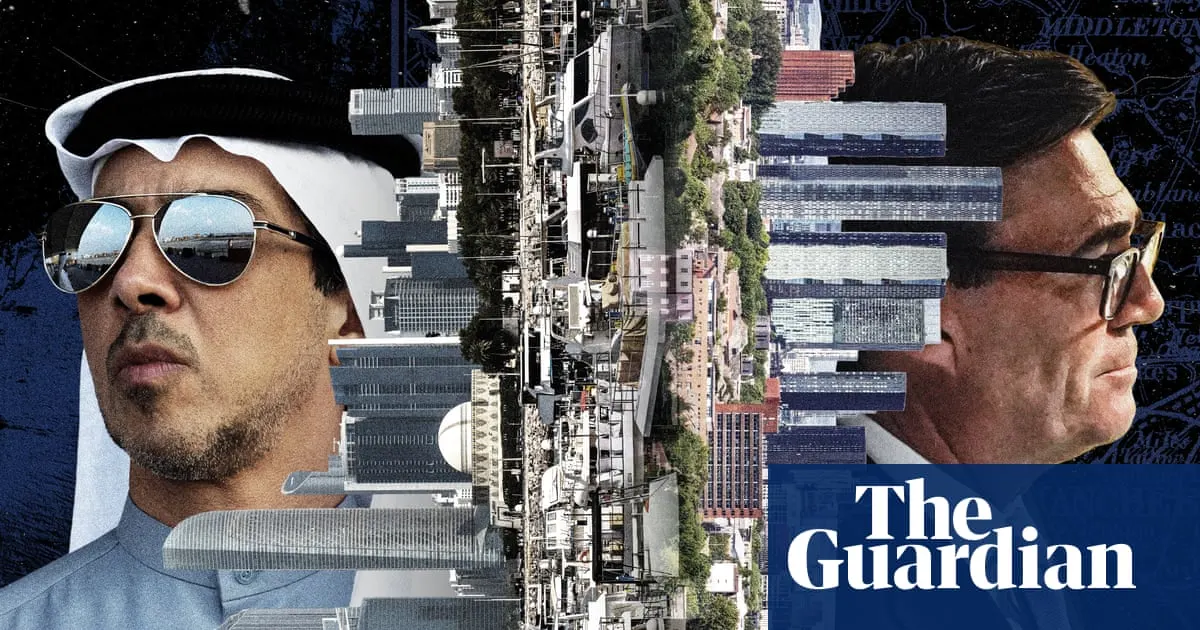
The UAE’s investment in Manchester grew after the 2011 Arab Spring, when British ministers sought to keep the emirates onside amid disagreements over the Muslim Brotherhood. A government-brokered property deal helped Abu Dhabi expand its presence beyond Manchester City football club, bringing regeneration and investment while raising questions about the city’s growing reliance on wealthy overseas owners.
In 2013, Manchester council sold Abu Dhabi prime city-centre land for £5m as part of the £1bn Manchester Life scheme, intended to deliver 6,000 homes. The scheme itself has delivered 2,039, while other developers have built a further 2,839, leaving the combined total nearly 20% below the target. Emirati-linked land and property holdings reportedly reached an area equivalent to 260 football pitches in 2023; their expansion has fuelled concerns about affordability, local influence and Manchester becoming “a northern version of London”.
In short
- UK officials courted UAE investment after the Arab Spring.
- Abu Dhabi’s Manchester Life scheme fell short of its 6,000-home target.
- Emirati-linked holdings peaked at 260 football pitches in 2023.
Steelman: both sides, in good faith
The strongest fair case each way — we don't pick a winner.
The case for
Supporters can argue that Manchester Life brought substantial overseas capital into city-centre regeneration and delivered more than 2,000 homes, while the wider development area gained thousands more. A council deal that attracts investment, improves underused land and adds housing can serve the city even if the original target is missed.
The case against
Critics can argue that selling prime public land cheaply for a scheme promising 6,000 homes imposed a clear duty to deliver, and the shortfall raises doubts about whether the public received the promised return. Large overseas holdings may also strengthen outside influence over local development and leave affordability concerns unresolved, especially if regeneration does not provide enough homes for local needs.
Explained simply
Manchester Life is a property and regeneration scheme involving Manchester council and investors from Abu Dhabi, the capital of the United Arab Emirates. It was set up in 2013, when the council sold city-centre land to the investors for £5m, with a plan to build homes and attract new investment.
The deal came as British ministers sought closer ties with the UAE after the Arab Spring, amid disagreements over the Muslim Brotherhood. Abu Dhabi already had a high-profile presence in Manchester through its ownership of Manchester City football club.
The scheme forms part of wider overseas investment in the city, which can bring money and development but also raises questions about housing costs and who has influence over local land. The planned number of homes is one measure of how the project has affected Manchester’s growth.
Read the full article at the source →
Originally published by The Guardian as “‘That’s the way the city works’: how the UAE changed the face of Andy Burnham’s Manchester”.