Entertainment news and discussion on TalkFuse.
Thawing woolly mammoths in Siberia could release deadly ‘zombie bacteria’ that have spent 50,000 years locked away in ice, expert warns
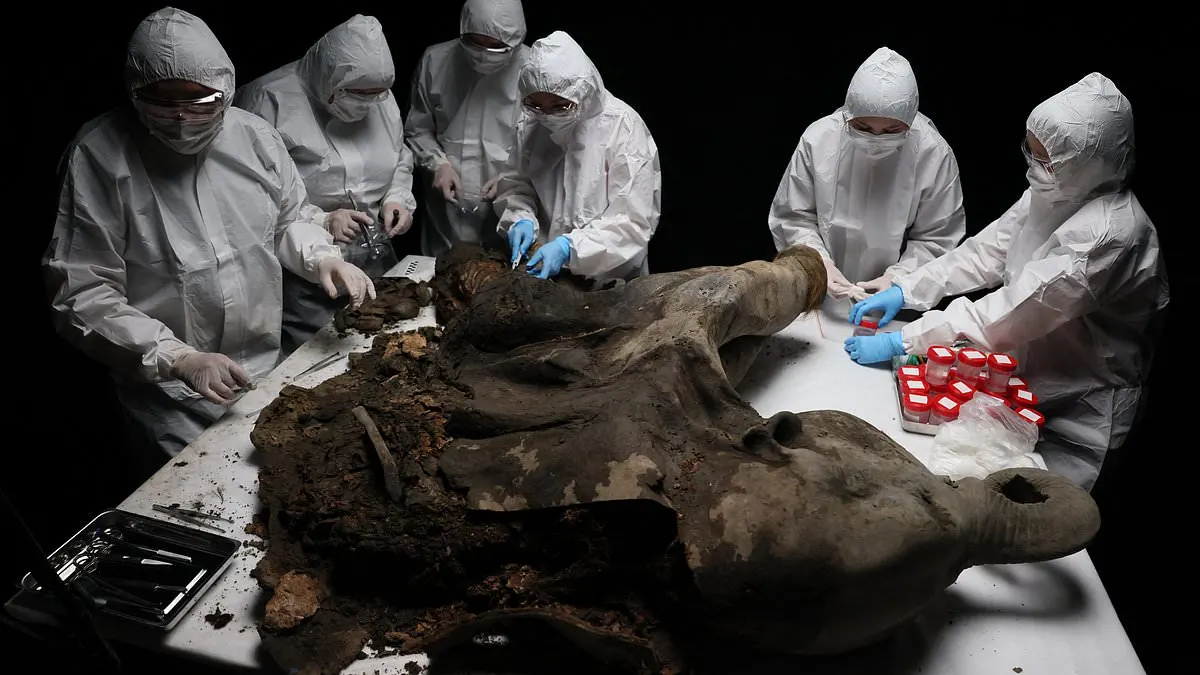
Russian mammoth specialist Albert Protopopov has warned that thawing permafrost in Siberia could expose ancient carcasses and the microbes they carry, some of which may be dangerous to humans. The warning follows an international study published in the journal Cell that found traces of ancient bacteria in mammoth remains, including DNA from a close relative of a microbe linked to fatal bloodstream infections in African elephants. The study found genetic traces rather than living organisms, so the risk is a concern rather than a confirmed threat.
The study, led by Benjamin Guinet at Stockholm's Centre for Palaeogenetics, examined 483 mammoth specimens and identified six groups of bacteria that may have lived in the animals. The modern relative of one pathogen was linked to the deaths of six elephants in Zimbabwe in 2020. Protopopov said concerns include local people handling carcasses and delays of months before found animals are reported, so his team is developing an AI-driven robot, named Pleistocene, to locate remains before they thaw. The prototype is being funded at 70 million roubles (about £646,000).
In short
- Thawing Siberian permafrost could expose ancient microbes, scientists warn.
- Study found bacterial DNA in 483 mammoth specimens.
- One pathogen's relative killed six elephants in Zimbabwe in 2020.
- Researchers are building an AI robot to find carcasses before they thaw.
Entertainment Europe Horror World