The 10 Best Anti-War Movies in Film History, Ranked
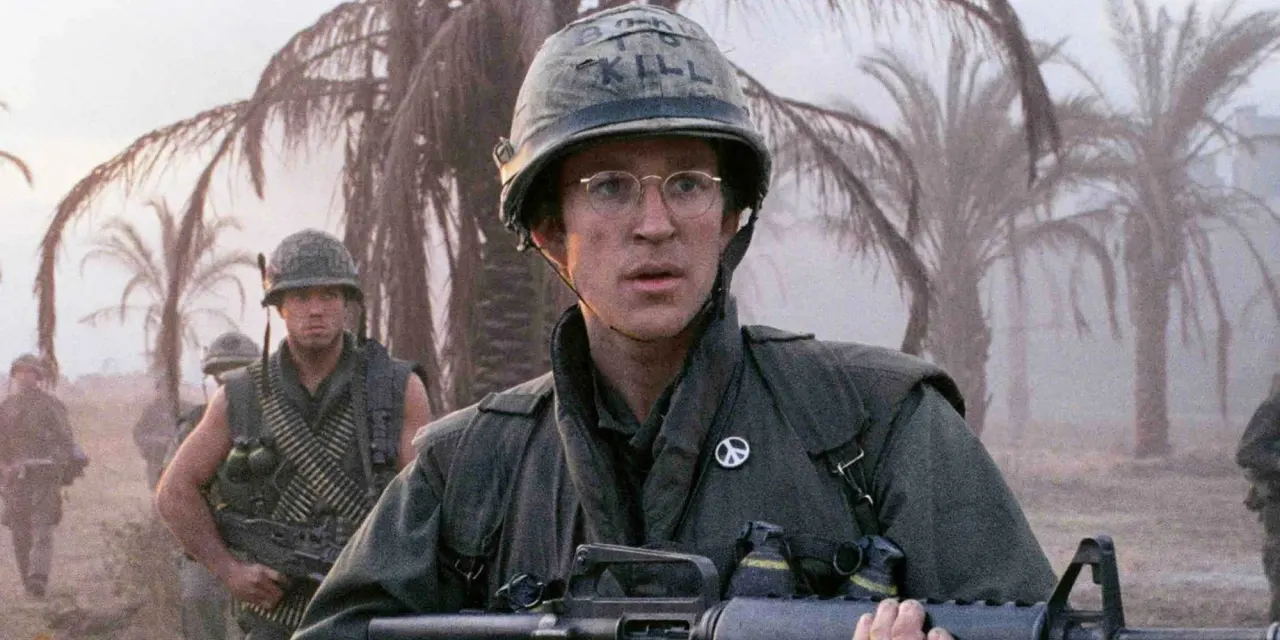
The article ranks ten bleak, uncompromising anti-war films, defining the category as movies that remain bitter throughout rather than offering hope or heroism. It argues that a film’s overall message matters more than the force of any single battle scene, which is why it excludes *Saving Private Ryan*.
Among the films discussed are *Platoon*, praised for its blunt depiction of combat in Vietnam; *Paths of Glory*, which follows a failed First World War offensive and the trial of scapegoated soldiers; and *Letters from Iwo Jima*, which presents the Battle of Iwo Jima from the Japanese perspective. The article also mentions *The Deer Hunter* and *Flags of Our Fathers* as honourable mentions, and notes that Clint Eastwood’s two 2006 films depict the same battle from opposing sides.
In short
- The list favours bleak films without hopeful or heroic endings.
- *Platoon* and *Paths of Glory* are among the films discussed.
- *Letters from Iwo Jima* shows the battle from Japan’s side.
Steelman: both sides, in good faith
The strongest fair case each way — we don't pick a winner.
The case for
A narrowly defined list can reasonably focus on films whose overall effect is consistently bleak and anti-war, rather than treating any film with harrowing combat scenes as belonging to the category. Ranking by the message of the whole film makes the case for excluding Saving Private Ryan, while the selection highlights varied experiences of war, including the perspectives of soldiers on opposing sides.
The case against
A broader definition could include films that portray war’s horror alongside courage, solidarity or hope, since those elements need not amount to endorsing war. Excluding Saving Private Ryan on the basis of its moments of heroism may therefore seem too restrictive, and any ranked list risks presenting a subjective judgement about a film’s message as if it were a settled measure of anti-war value.
Explained simply
Anti-war films examine the human costs of conflict and may challenge ideas of courage, duty or victory. Some focus on the experience of soldiers; others show how military decisions affect people caught up in war.
The films mentioned span several conflicts. Platoon is set during the Vietnam War, while Paths of Glory follows French soldiers during the First World War. Letters from Iwo Jima and Flags of Our Fathers portray the Second World War battle of Iwo Jima from Japanese and American perspectives respectively; both were directed by Clint Eastwood.
These stories can shape how audiences understand war, including whose experiences are shown and what sacrifice means. The article uses a particular standard for its ranking: it favours films whose overall outlook remains bleak, rather than treating a forceful battle scene alone as proof of an anti-war message.