Entertainment news and discussion on TalkFuse.
The 10 best Quentin Tarantino rip-off movies, ranked by Far Out
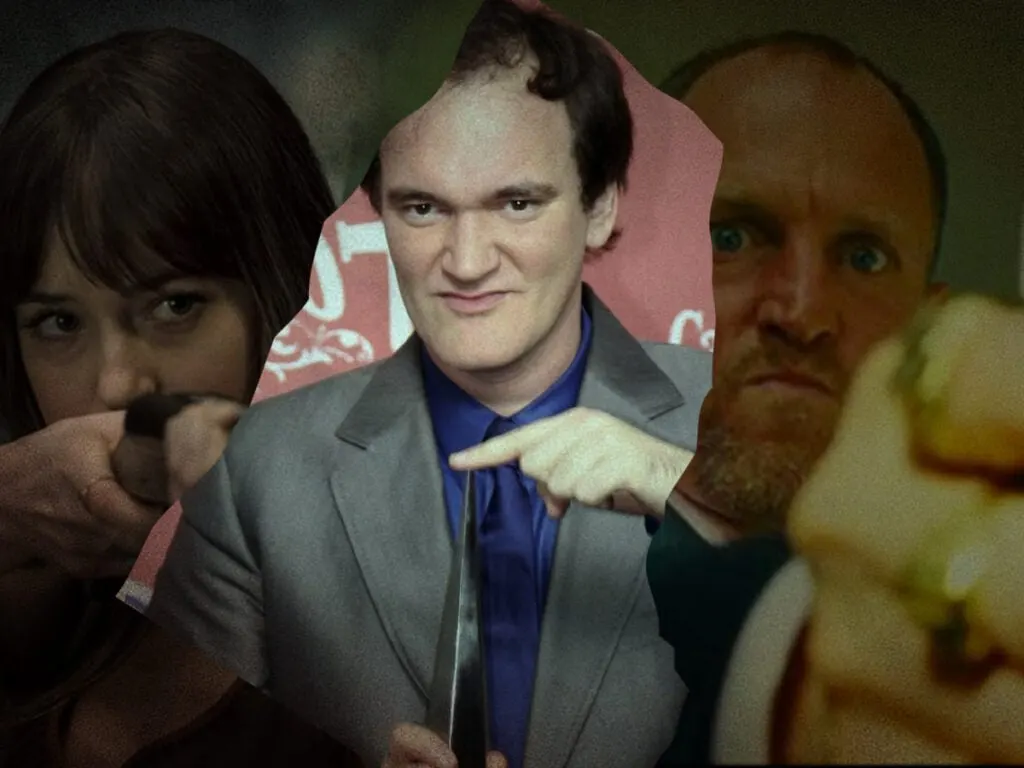
Quentin Tarantino’s films shaped a wave of crime cinema, inspiring directors to imitate their sharp dialogue, non-linear storytelling and pulpy violence. The article ranks ten films that borrowed from his style, arguing that some became acclaimed in their own right while others failed to match the originality and depth of his work.
Among the examples discussed are *Things to Do in Denver When You’re Dead*, with intersecting crime stories and music references, and *Bad Times at the El Royale*, which revisits events at a 1969 hotel through a connected, non-linear plot. It also highlights *The Rules of Attraction*, written and directed by Roger Avary, Tarantino’s *Pulp Fiction* co-writer, for its overlapping characters and dark humour. The article excludes films Tarantino wrote, acted in or made with close friends.
In short
- Tarantino’s style inspired many crime films.
- Some imitators developed their own lasting appeal.
- The ranking includes films with non-linear plots and dark humour.
Steelman: both sides, in good faith
The strongest fair case each way — we don't pick a winner.
The case for
Ranking films as Tarantino imitators can help readers trace his influence and compare how other filmmakers adapted his dialogue, nonlinear storytelling and pulpy crime elements. A list like this can also recognise that some works used those influences as a starting point and developed a distinct voice of their own.
The case against
The label “rip-off” risks reducing varied films to derivatives and judging them mainly against one director’s style. Similar techniques may reflect wider genre traditions or deliberate homage, and a ranked list can overstate a subjective judgement about originality and quality.
Explained simply
Quentin Tarantino is an American filmmaker known for crime films such as Pulp Fiction, which helped popularise sharp, often comic dialogue, stories told out of order and stylised violence. Filmmakers who used similar techniques became part of a wider wave of crime cinema influenced by his work.
The films discussed include Things to Do in Denver When You’re Dead, Bad Times at the El Royale and The Rules of Attraction. The last was written and directed by Roger Avary, who co-wrote Pulp Fiction with Tarantino.
The label “rip-off” suggests imitation, but films drawing on a shared style can differ in their stories, aims and reception. Comparing them helps show how Tarantino’s approach travelled through crime cinema and how other filmmakers adapted it.