Entertainment news and discussion on TalkFuse.
The 10 Best Spaghetti Westerns in Film History, Ranked
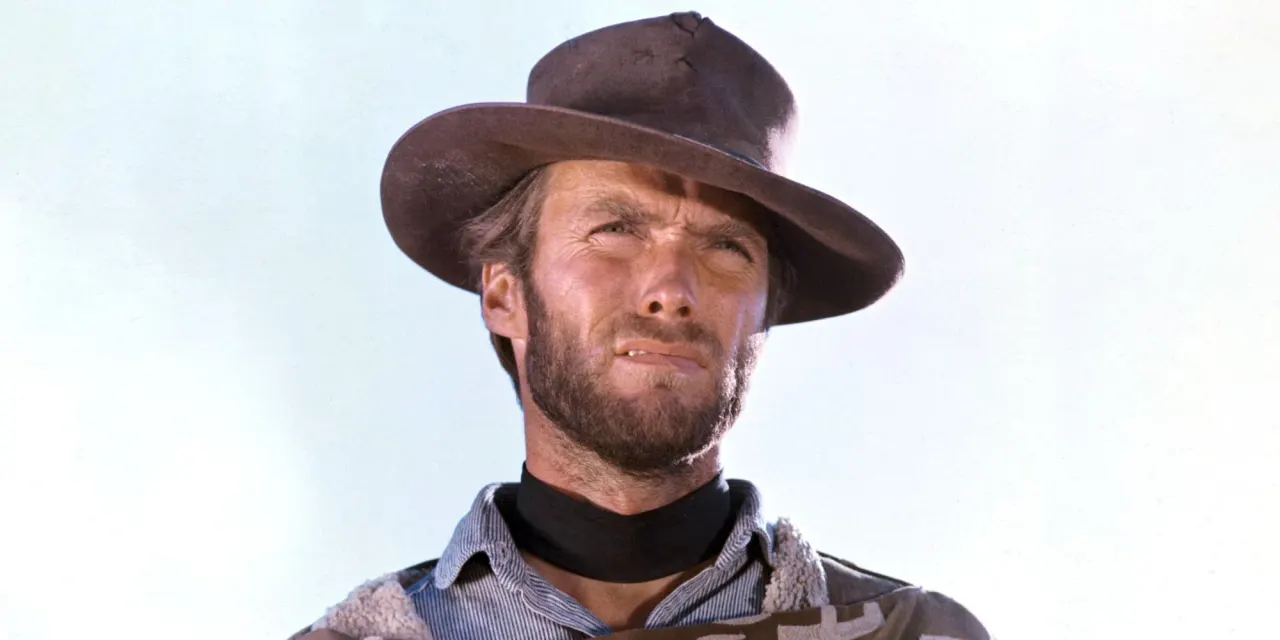
This article is a ranked list from Collider counting down what it considers the ten best "spaghetti Westerns" – Westerns made primarily in Italy, or by Italian directors and studios – a subgenre that flourished chiefly in the 1960s and into the 1970s. It notes the lasting influence of the genre on later filmmakers such as Quentin Tarantino, Robert Rodriguez and Edgar Wright, and highlights that nine of the ten entries were directed by filmmakers named Sergio, with Sergio Leone being the genre's most celebrated figure.
The excerpt covers several entries in detail: Enzo G. Castellari's Keoma, starring Franco Nero, is praised as the best spaghetti Western not directed by a "Sergio"; Sergio Leone's A Fistful of Dollars is noted as an unofficial remake of Kurosawa's Yojimbo that launched the Dollars trilogy and the careers of Clint Eastwood and composer Ennio Morricone; Sergio Sollima's The Big Gundown is highlighted as Lee Van Cleef's best spaghetti Western outside the Dollars films; and Sergio Corbucci's The Mercenary is mentioned as echoing Leone's style, though the text cuts off before further detail is given.
In short
- Collider ranks the ten greatest spaghetti Westerns of all time.
- Nine of the ten films were directed by filmmakers named Sergio.
- Sergio Leone's A Fistful of Dollars launched Eastwood and Morricone's careers.
Explained simply
Spaghetti Westerns are Western films made mainly in Italy, or by Italian film-makers, especially during the 1960s and 1970s. They often used American settings and actors, but were produced outside the United States, giving the genre its name.
Director Sergio Leone became its best-known figure, and his A Fistful of Dollars helped establish the style and began a trilogy starring Clint Eastwood. Other directors, including Sergio Sollima, Sergio Corbucci and Enzo G. Castellari, made notable films in the genre.
These films have influenced later directors such as Quentin Tarantino, Robert Rodriguez and Edgar Wright. Knowing the genre’s Italian roots and Leone’s central role helps explain why the films are often grouped together and compared.