Entertainment news and discussion on TalkFuse.
The 10 greatest movie villains of 1986
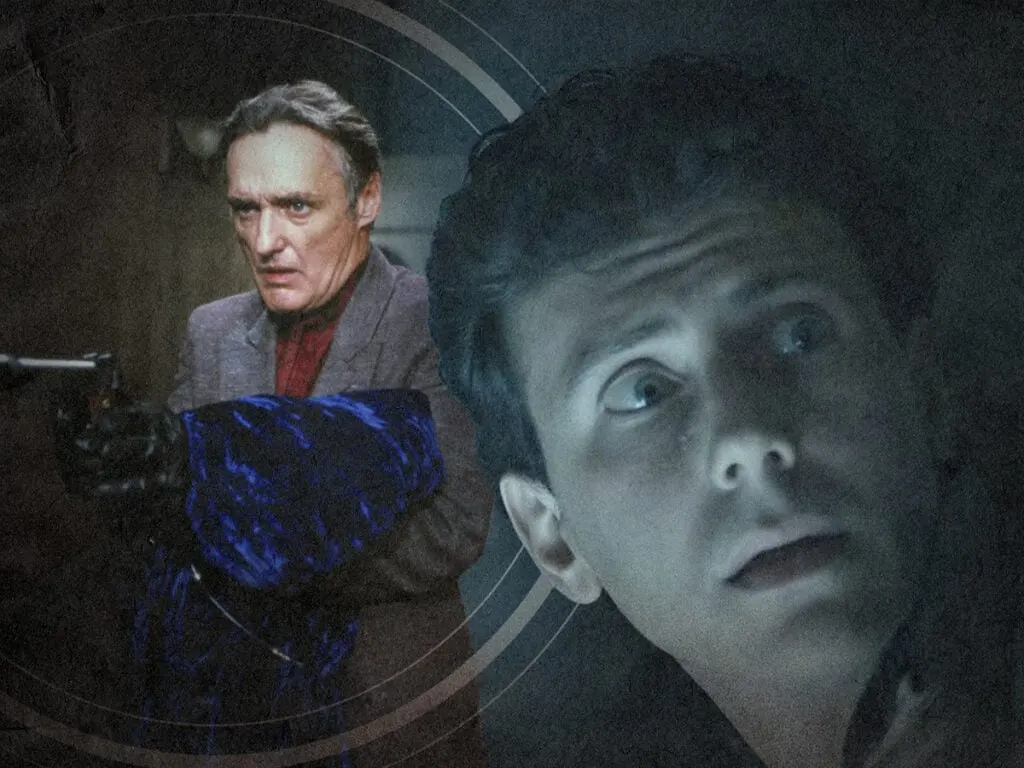
The article examines a varied group of film villains from 1986, a year when cinema was beginning to favour anti-heroes over conventional antagonists. It argues that the year’s memorable threats came from several genres, from bullies and religious zealots to horror icons, even as familiar franchises struggled to create villains as imposing as Darth Vader.
Among the examples are Kiefer Sutherland’s Ace Merrill in *Stand by Me*, F Murray Abraham’s manipulative Inquisitor Bernardo Gui in *The Name of the Rose*, and Leatherface in *The Texas Chainsaw Massacre 2*. It also discusses *Friday the 13th Part VI: Jason Lives*, whose self-aware tone contrasts with its notably frightening final act. The supplied article text ends partway through its discussion of Leatherface, so it does not provide the full list of ten.
In short
- 1986 cinema offered villains across several genres.
- Anti-heroes were gaining ground over traditional antagonists.
- The supplied article excerpt does not include all ten picks.
Explained simply
Film villains are the characters who create danger or conflict for a story’s main characters. In 1986, they appeared across genres, from coming-of-age dramas and historical mysteries to horror films.
The examples include Ace Merrill, a bully in Stand by Me, and Bernardo Gui, a church investigator in The Name of the Rose. Horror brought back Leatherface and Jason Voorhees, familiar figures from film series, while some films gave their threats a more self-aware tone.
The films reflect a period when stories were making room for flawed anti-heroes alongside more traditional villains. Looking at the year’s range of antagonists shows how filmmakers created tension in different ways, without relying on one model of a memorable threat.