Entertainment news and discussion on TalkFuse.
The 10 most offensive movies of the 1980s
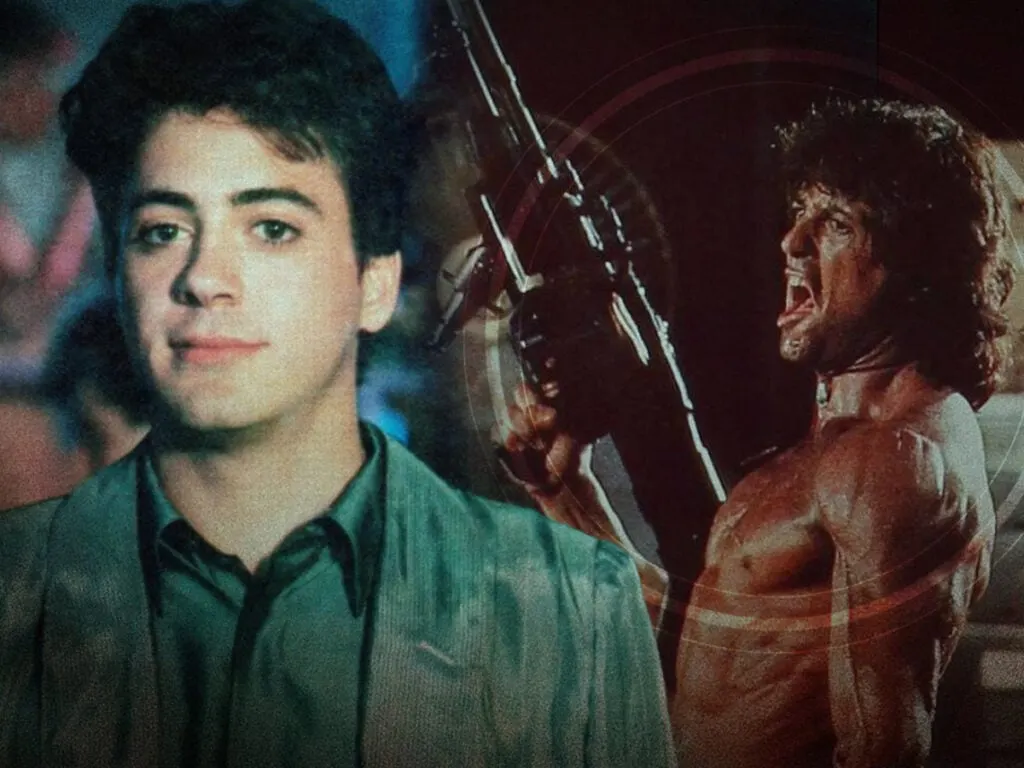
The article questions how films now regarded as offensive became celebrated in the 1980s, arguing that reassessing them matters because nostalgia has returned many to public view. It says criticism should consider intent and distinguish harmful, mean-spirited portrayals from misjudged attempts at progress.
The excerpt discusses three films: *Absence of Malice*, criticised for reinforcing sexist stereotypes about women journalists; *The Year of Living Dangerously*, for centring white protagonists and casting Linda Hunt in yellowface as a Chinese man with dwarfism; and *Driving Miss Daisy*, for presenting a regressive view of race relations. Hunt won an Academy Award for her performance, while the article argues the film’s treatment of its racial dynamic remains troubling.
In short
- Nostalgia has brought controversial 1980s films back into view.
- The article criticises sexism, yellowface and regressive racial portrayals.
- It argues that acclaim and cultural impact matter when reassessing films.
Steelman: both sides, in good faith
The strongest fair case each way — we don't pick a winner.
The case for
Reassessing celebrated films can show how familiar stories and casting choices reinforced harmful stereotypes, even when audiences once praised them. Considering both their intent and their impact helps explain why a film may have seemed progressive at the time yet still feel troubling when viewed today.
The case against
Films should also be judged in their historical context and with attention to what their creators were trying to achieve, rather than treated as if they reflected only present-day standards. A performance or film can have artistic merit and sincere progressive intent while containing choices that now appear misguided; recognising that complexity can make criticism more illuminating than simply labelling a work offensive.