Las Vegas survivors revisit 2017 shooting’s trauma and lasting impact
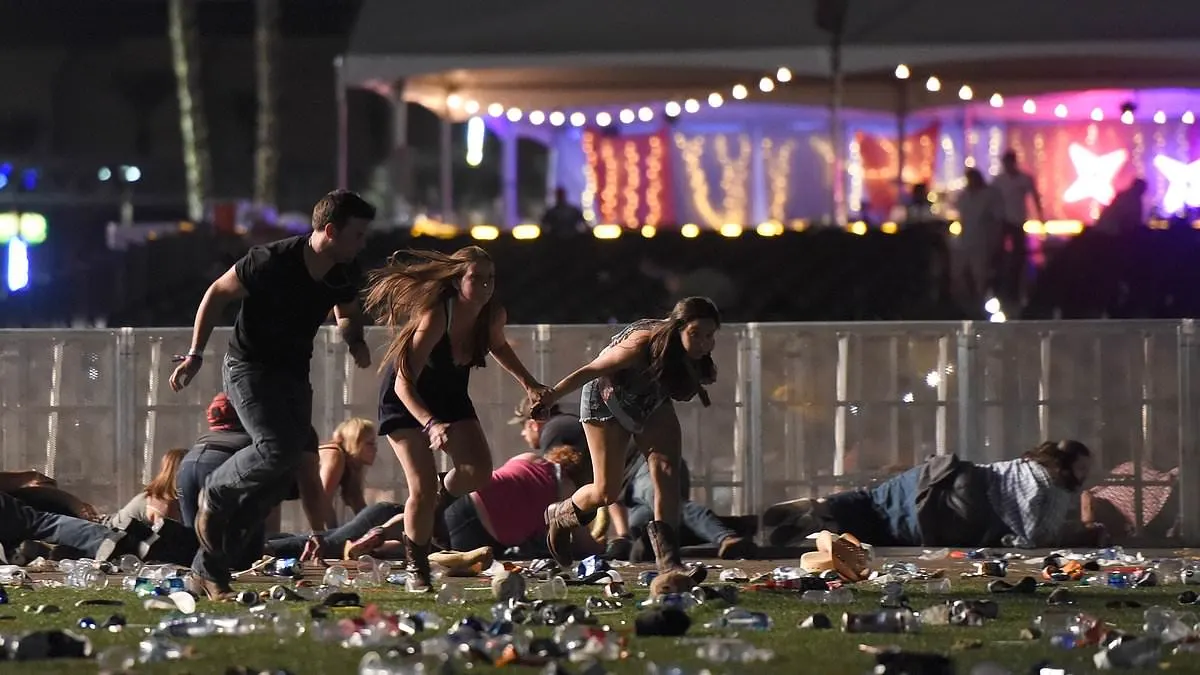
The article revisits the 2017 Route 91 Harvest Festival shooting in Las Vegas through survivors’ accounts, nine years after Stephen Paddock killed 60 people and wounded more than 800 in an attack lasting about 11 minutes. Survivors say the event remains vivid and traumatic, even as it has faded from wider public attention; the shooting also had lasting effects on gun policy, emergency response and event security.
Paddock fired more than 1,000 rounds from a Mandalay Bay suite into a crowd of about 22,000 before taking his own life. He had brought more than 20 bags of weapons and ammunition to the hotel, set up surveillance cameras and shot security guard Jesus Campos through the suite door; police took about an hour to enter the room. The article notes that bump stocks were banned in 2018, a ban overturned by the US Supreme Court in 2024, and that MGM Resorts paid $800 million to survivors and affected families in 2020.
- The Route 91 shooting killed 60 people and wounded more than 800.
- Survivors say the trauma continues nine years later.
- The attack influenced security, emergency response and gun policy.
New here? Start with this
On 1 October 2017, Stephen Paddock fired thousands of rounds from a hotel room into a crowd at the Route 91 Harvest Festival in Las Vegas. The attack lasted about 11 minutes and killed 60 people, with more than 800 wounded. It remains one of the deadliest mass shootings in modern American history.
Paddock, firing from the Mandalay Bay hotel overlooking the festival grounds, had brought over 20 bags of weapons and ammunition with him. Police took about an hour to enter his suite, where they found he had shot himself. The shooting prompted policy discussions and a settlement: MGM Resorts paid $800 million to survivors and families in 2020, and the US temporarily banned bump stocks—devices that allow semi-automatic weapons to fire faster—though this ban was overturned by the Supreme Court in 2024.
More than nine years later, the shooting continues to shape discussions about mass violence, security at public gatherings and emergency response. For those affected, the trauma remains vivid despite the event receiving less public attention as time passes.
Read the full article at the source →
Originally published by Daily Mail as “The 11 minutes that changed America: Las Vegas massacre survivors reveal dark theories… and untold horrors from the night the music stopped but the bullets didn’t”.