New releases, music videos and album news — indie, rap, rock and pop. Always covering Ren, Chris Webby, Sam Tompkins, bbno$, CHINCHILLA, Muse, Yungblud and more.
The 1872 painting that inspired Ridley Scott’s ‘Gladiator’: “The glory and wickedness”
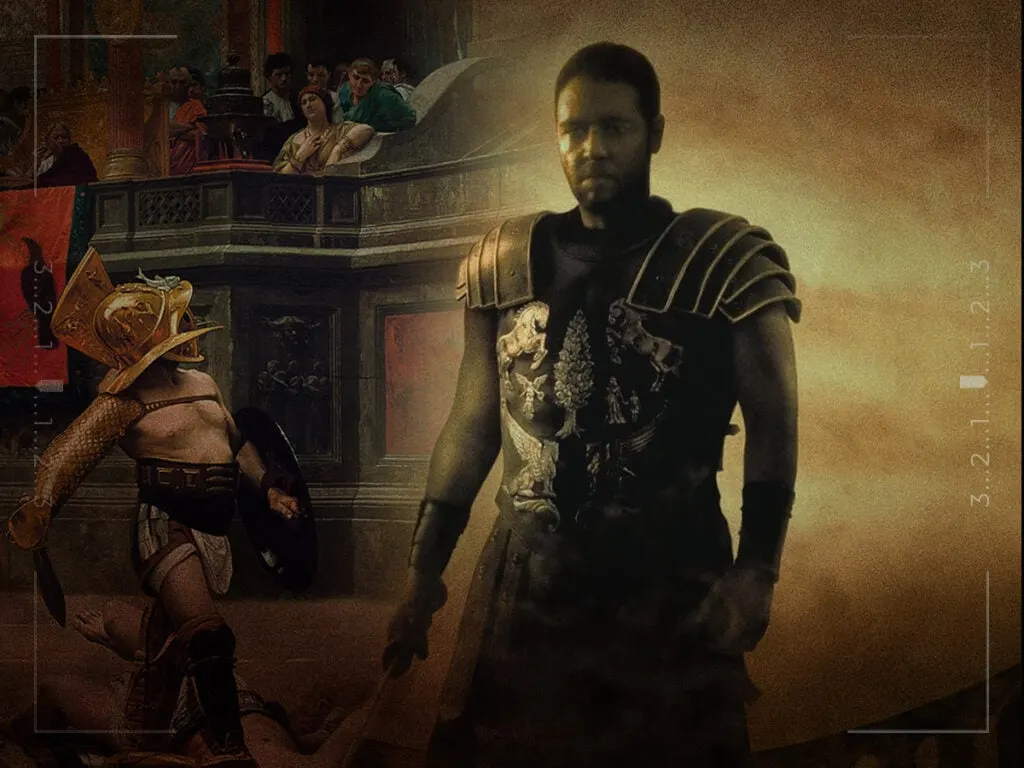
Ridley Scott’s Gladiator drew visual inspiration from Jean-Léon Gérôme’s 1872 painting Pollice Verso, particularly its depiction of a Roman arena, a victorious gladiator and a crowd deciding a defeated fighter’s fate. The connection matters because the painting helped shape one of modern cinema’s most recognisable visions of ancient Rome, despite reflecting Victorian-era assumptions as much as historical reality.
Gérôme’s work presents Rome as a spectacle of violence, power and public appetite, themes echoed throughout Scott’s film. Its famous “thumbs down” association is historically disputed: Roman gestures used to determine a gladiator’s fate may not have worked in the simple way later art and popular culture suggest. The painting’s dramatic imagery nevertheless influenced how audiences imagine both Roman entertainment and imperial cruelty.
In short
- Gladiator borrowed key arena imagery from Gérôme’s 1872 painting.
- The painting captures Rome’s spectacle, violence and public power.
- Its “thumbs down” symbolism is historically uncertain.
Explained simply
Ancient Rome used gladiatorial contests as public entertainment, staging fights between trained combatants in arenas before large crowds. These events were linked to the power of emperors and other wealthy sponsors, who could use them to display status and win public favour.
Jean-Léon Gérôme was a French painter whose 1872 work Pollice Verso showed a victorious gladiator facing a crowd as a defeated fighter lay on the arena floor. The painting reflects how people in the 19th century imagined Roman life, as well as the period’s interest in dramatic scenes of violence and power.
The painting’s familiar image of a crowd signalling for a fighter’s death helped shape later ideas about Roman contests, though the meaning of the gesture is disputed. Its influence on Ridley Scott’s film shows how a modern depiction of the ancient world can draw on both historical subjects and later artistic interpretations.