The 1930s filmmaking duo Martin Scorsese considers to be out of everyone’s league: “Truly experimental films”
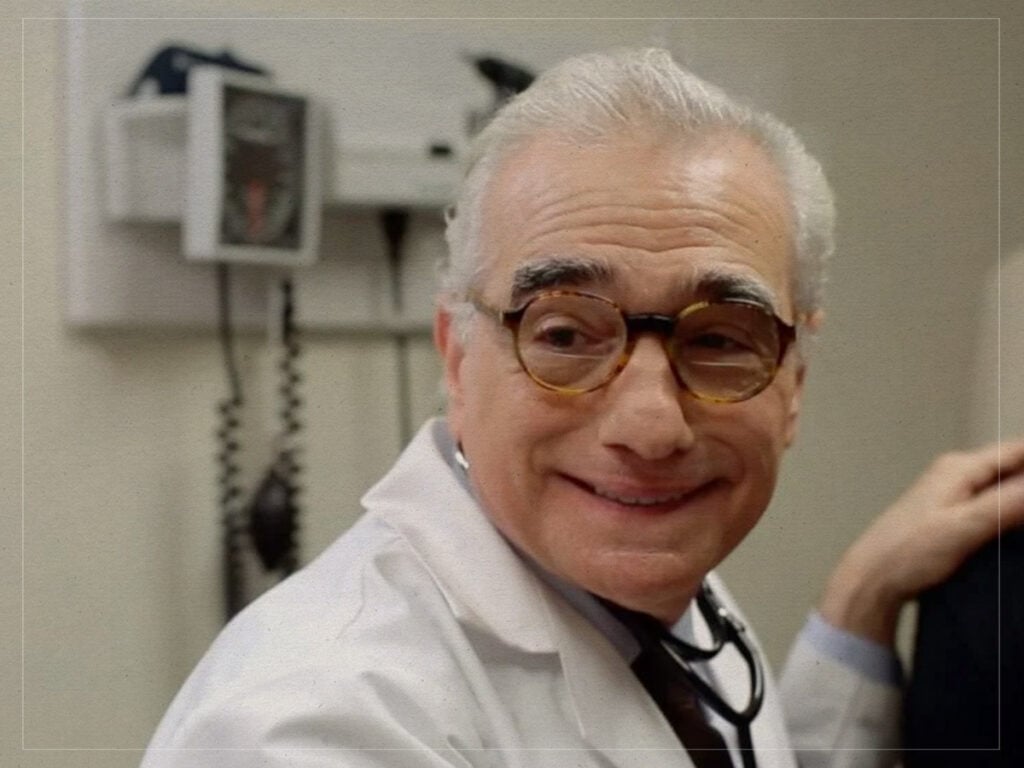
Martin Scorsese, who emerged as a defining directorial voice during Hollywood's late 1960s and early 1970s renaissance, has long attributed much of his artistic approach to the influence of British filmmaking partners Michael Powell and Emeric Pressburger. Beyond his formal training at the Tisch School of the Arts, Scorsese developed a deep appreciation for their work, which shaped his understanding of how to balance commercial viability with genuine creative ambition.
Scorsese first encountered Powell and Pressburger's 1948 ballet-centred masterpiece 'The Red Shoes' during childhood, an experience he describes as transformative for understanding cinema's visual and emotional possibilities. He has since recognised their entire body of work—including 'Black Narcissus,' 'The Life and Death of Colonel Blimp,' and 'The Tales of Hoffman'—as exemplary. Scorsese specifically admires them for maintaining their experimental and visionary approach whilst navigating the constraints of the studio system, a feat he considers virtually unmatched among independent filmmakers of that era.
- Scorsese credits directing duo Michael Powell and Emeric Pressburger as major influences on his artistic vision and filmmaking philosophy
- The 1948 film 'The Red Shoes' profoundly affected Scorsese in childhood and remains central to how he approaches cinema
- Scorsese praises Powell and Pressburger for creating daring, experimental work whilst successfully operating within the traditional studio system