Entertainment news and discussion on TalkFuse.
The 1930s singer Jeff Lynne was always scared of turning into: “It’s just a weird thing”
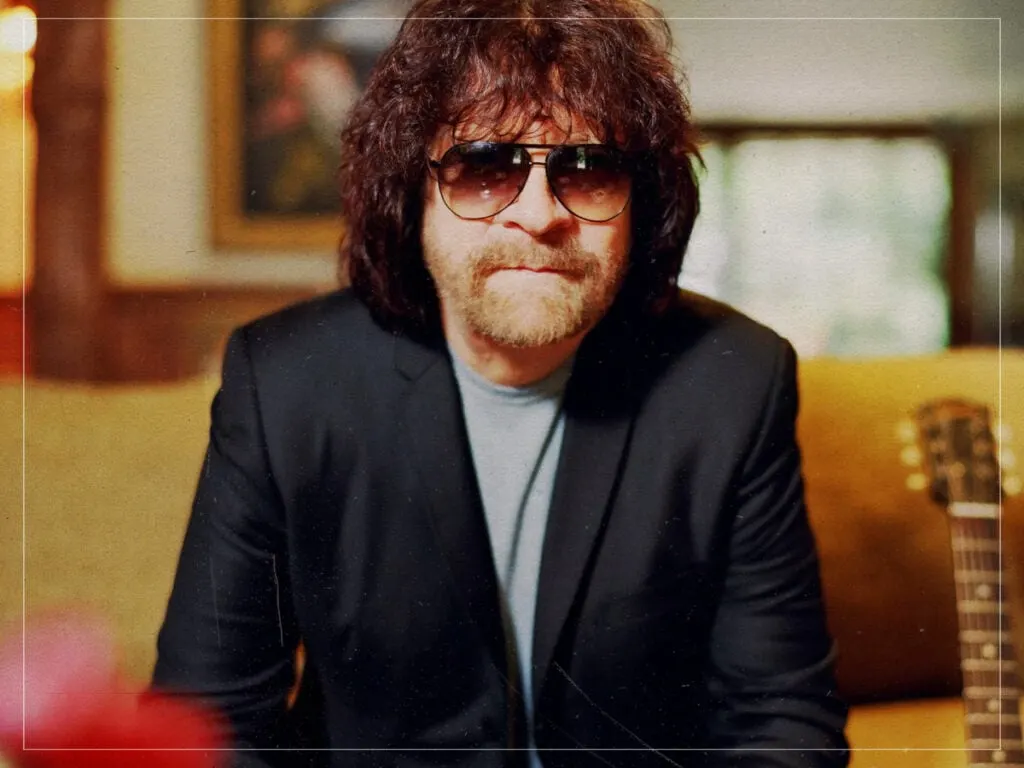
Jeff Lynne, the ELO and Traveling Wilburys frontman, revealed in a 2015 remark that he long harboured a private fear about how his commercial success would be perceived, worrying that having "too many hits" would see him written off as a lightweight, easy-listening act in the mould of crooner Perry Como. He explained that critics and writers tend not to forgive artists for being too consistently popular, a view he said was shared by his late Wilburys bandmate Tom Petty.
Despite his enormous chart success across a decades-long career, Lynne suggested that widespread commercial appeal often works against critical respect, with prolific hitmakers viewed with suspicion rather than admiration. He ultimately came to accept that his music was made primarily for fans rather than critics, concluding that his achievements did not need external validation to be worthwhile.
In short
- Jeff Lynne feared being dismissed as an easy-listening act like Perry Como
- He believed having "too many hits" made critics unforgiving
- Lynne learned to value fan popularity over critical approval
Steelman: both sides, in good faith
The strongest fair case each way — we don't pick a winner.
The case for
Music critics have historically displayed a tendency to dismiss commercially successful artists as lacking depth or artistic integrity. The assumption persists that accessible music appealing to mass audiences must be formulaic or artistically compromised rather than genuinely innovative. Examples like ABBA—whose sophisticated songwriting faced decades of critical dismissal—demonstrate how the critical establishment often conflates popularity with compromised artistry, viewing an artist's commercial dominance as evidence they have prioritised sales over substance.
The case against
The relationship between commercial and critical success is more complex than Lynne's concern suggests, as evidenced by artists like The Beatles, Pink Floyd, David Bowie, and Radiohead who achieved both massive commercial success and sustained critical acclaim. Modern music criticism increasingly recognises that accessibility and artistic merit are not inherently opposed, and critics can distinguish between genuine artistry and lowest-common-denominator pandering regardless of commercial performance. The notion that critics systematically devalue commercially successful artists arguably overstates the problem and overlooks numerous counterexamples of commercially popular work receiving critical respect.
Explained simply
Jeff Lynne is an English singer, songwriter and producer best known as the frontman of Electric Light Orchestra, or ELO, a band that combined rock with orchestral sounds. He was also a member of the Traveling Wilburys, a group that included Tom Petty and other established musicians.
Perry Como was an American singer whose smooth, popular songs made him a major star from the 1940s onwards. The comparison matters because Lynne feared that a long run of hit records might lead critics to see him as a lightweight, rather than as a songwriter and musician whose work had lasting value.
The tension between popularity and critical respect is familiar in music: artists with many successful songs can be treated as less serious precisely because they reach a broad audience. Lynne’s view puts the emphasis on the listeners who connect with the music, rather than on approval from reviewers.
Entertainment Music Offbeat Weird & Viral