New releases, music videos and album news — indie, rap, rock and pop. Always covering Ren, Chris Webby, Sam Tompkins, bbno$, CHINCHILLA, Muse, Yungblud and more.
The 1941 performance that inspired Al Pacino 56 years later: “I was going, whoa”
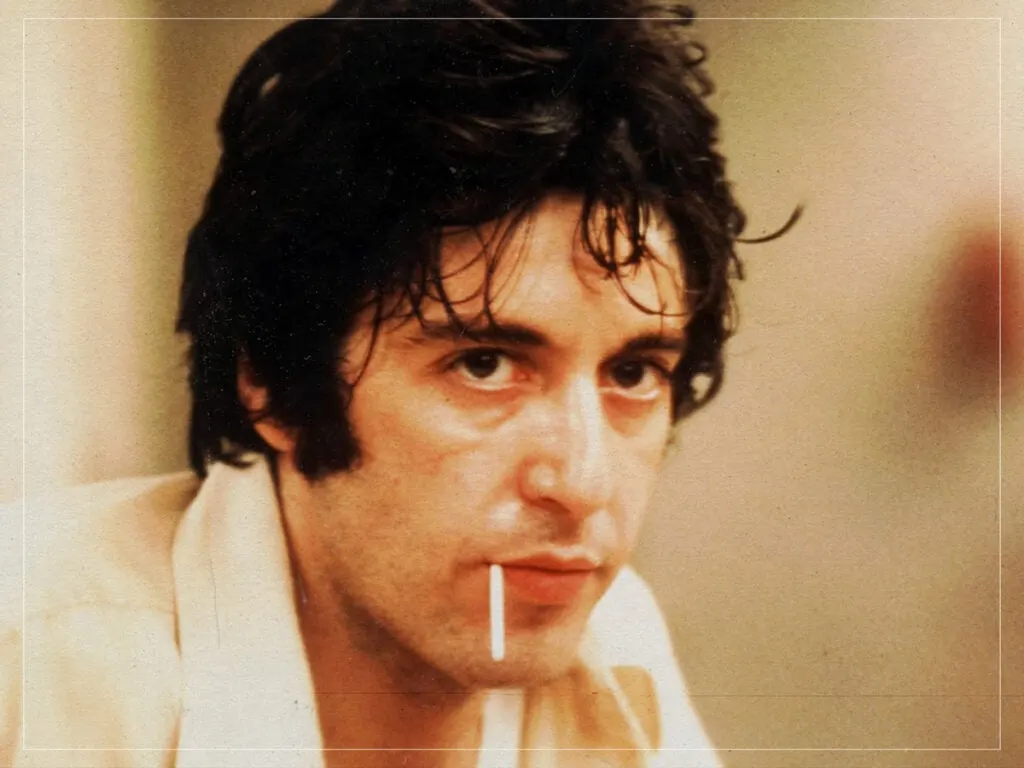
Al Pacino has revealed that Walter Huston's 1941 performance in The Devil and Daniel Webster was the key inspiration behind his own portrayal of Satan in the 1997 film The Devil's Advocate. Pacino, who played the character John Milton, studied several previous depictions of the devil on screen before finding his own approach, showing how established actors continue to draw on cinema history even decades into their careers.
Pacino said Huston's performance "sanctioned" his own attempt at the role, giving him the confidence to develop his interpretation, and recalled being struck with awe when he first saw it. He also considered other portrayals, including Jack Nicholson's Daryl Van Horne in The Witches of Eastwick and Robert De Niro's turn in Angel Heart, but found Huston's subtle, powerful performance the most influential. Pacino has previously passed similar advice about seeking meaningful roles on to Colin Farrell, urging him to find characters worth caring about even within big commercial films.
In short
- Pacino cites Walter Huston's 1941 devil role as his key inspiration.
- He researched past screen devils before playing Satan in 1997.
- Pacino called Huston's performance encouraging and "brilliant".
Explained simply
Al Pacino is an American actor known for roles in films such as The Godfather. In The Devil’s Advocate, a 1997 film, he played John Milton, a powerful figure who is revealed to be Satan.
Films have portrayed the devil in many ways, from frightening and supernatural to charming and human. Earlier examples include The Devil and Daniel Webster, released in 1941 and featuring actor Walter Huston, and Angel Heart and The Witches of Eastwick, both released in the 1980s.
Actors often look to earlier performances when shaping a role, while bringing their own choices to it. These connections show how portrayals of familiar characters can change across films and generations.