Culture news and discussion on TalkFuse.
The 1960s band Roger McGuinn never wanted to join: “I had two aces in the hole”
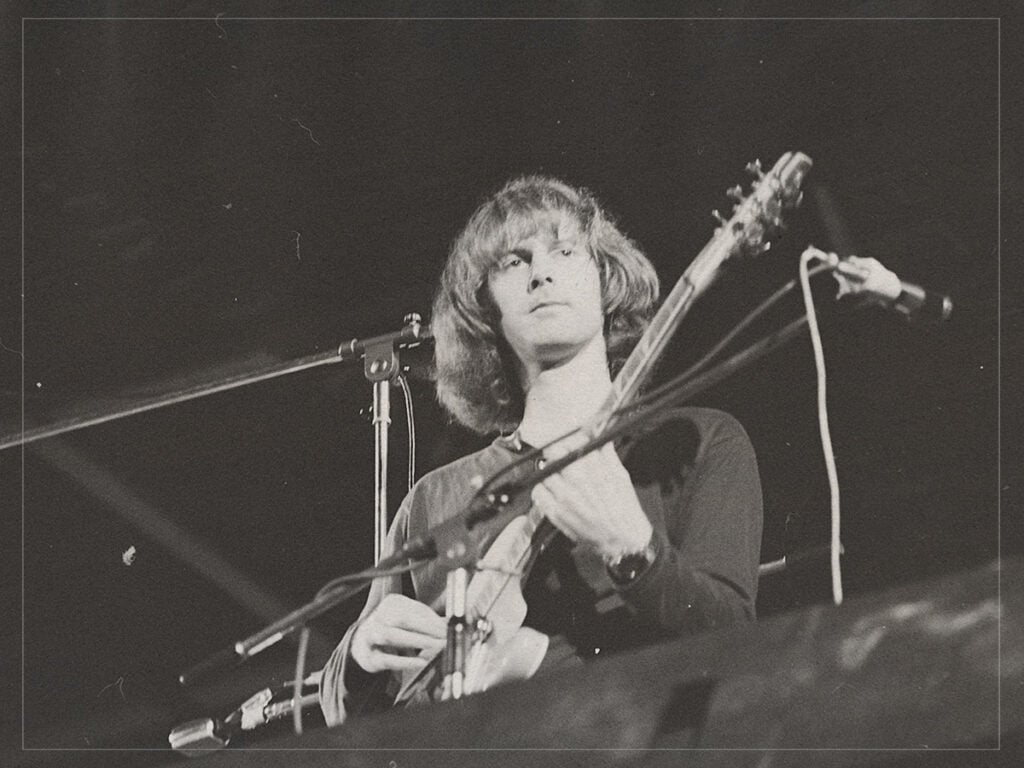
Roger McGuinn was initially reluctant to join the group that became The Byrds, preferring his own direction as a folk performer. The article frames his eventual involvement as consequential because the band helped establish folk-rock as a major 1960s sound, blending electric guitars with folk songwriting.
McGuinn believed he had “two aces in the hole”: the influence of Bob Dylan and the Beatles. Those reference points shaped The Byrds’ approach, particularly their electric reinterpretation of Dylan material and McGuinn’s distinctive 12-string guitar sound, which became central to the band’s identity.
In short
- McGuinn was initially reluctant to join The Byrds.
- Dylan and the Beatles shaped his musical strategy.
- The Byrds became pioneers of folk-rock.
Explained simply
Roger McGuinn was a folk musician in the early 1960s who initially resisted joining a group of musicians that would become one of rock's most influential bands, The Byrds. The group eventually formed around McGuinn's distinctive 12-string guitar sound and would reshape popular music in the years that followed.
McGuinn's reluctance stemmed from his confidence in his own musical direction, which he felt was guided by two key influences: the songwriting innovations of Bob Dylan and the musical approach of The Beatles. These influences would prove crucial to The Byrds' eventual sound and creative approach.
The Byrds pioneered folk-rock, a genre that fused acoustic folk songwriting with electric guitars and rock instrumentation. The band's successful combination of these elements, particularly their electric versions of Dylan compositions, helped establish folk-rock as a dominant force in 1960s popular music and demonstrated how traditional folk material could be transformed through electric arrangement.
Art Culture Entertainment Music