The 1960s song so (good) bad The Velvet Underground got fired over it
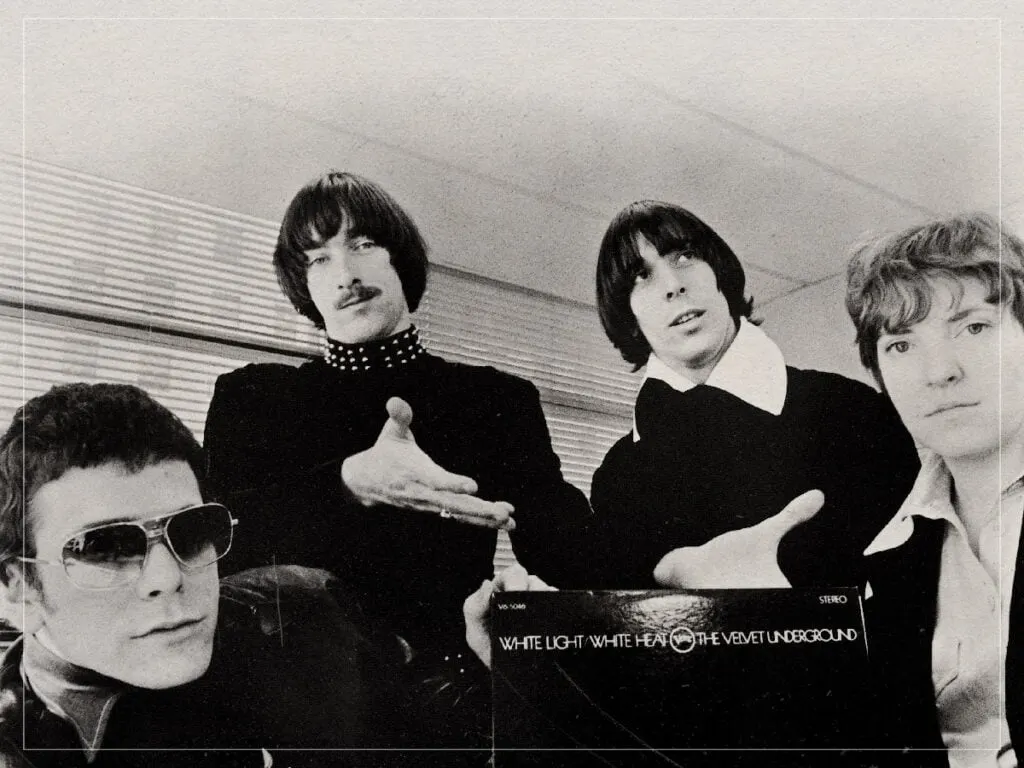
The Velvet Underground deliberately got themselves fired from an early residency at Café Bizarre in New York by defying the owner’s warning and playing their experimental song ‘The Black Angel’s Death Song’ again. The incident captures the band’s rejection of conventional rock and helps explain why they stood apart from the era’s mainstream.
The group had disliked playing standard rock songs during their recurring Greenwich Village booking. Sterling Morrison recalled that the owner threatened to dismiss them if they performed the track again, so they opened the next set with it and lost the job. Andy Warhol had seen them perform and later became their manager; the song also appeared on the band’s debut album with Nico.
- The band replayed a song after the venue owner warned them not to.
- The defiance cost them their Café Bizarre residency.
- Andy Warhol later became their manager.
New here? Start with this
The Velvet Underground were a New York rock band formed in the mid-1960s, when much popular music favoured familiar songs and accessible melodies. Their sound drew on experimental music and often dealt with darker or less conventional subjects.
Café Bizarre was a club in Greenwich Village where the band had a regular booking. Andy Warhol, an artist who became closely associated with the group and later managed them, saw them perform there.
The band’s debut album, featuring singer Nico, included “The Black Angel’s Death Song”. Their clashes over what to play show how their approach differed from the expectations of club owners and mainstream rock audiences.