Entertainment news and discussion on TalkFuse.
The 1965 Dave Clark Five song ripped off by The Monkees
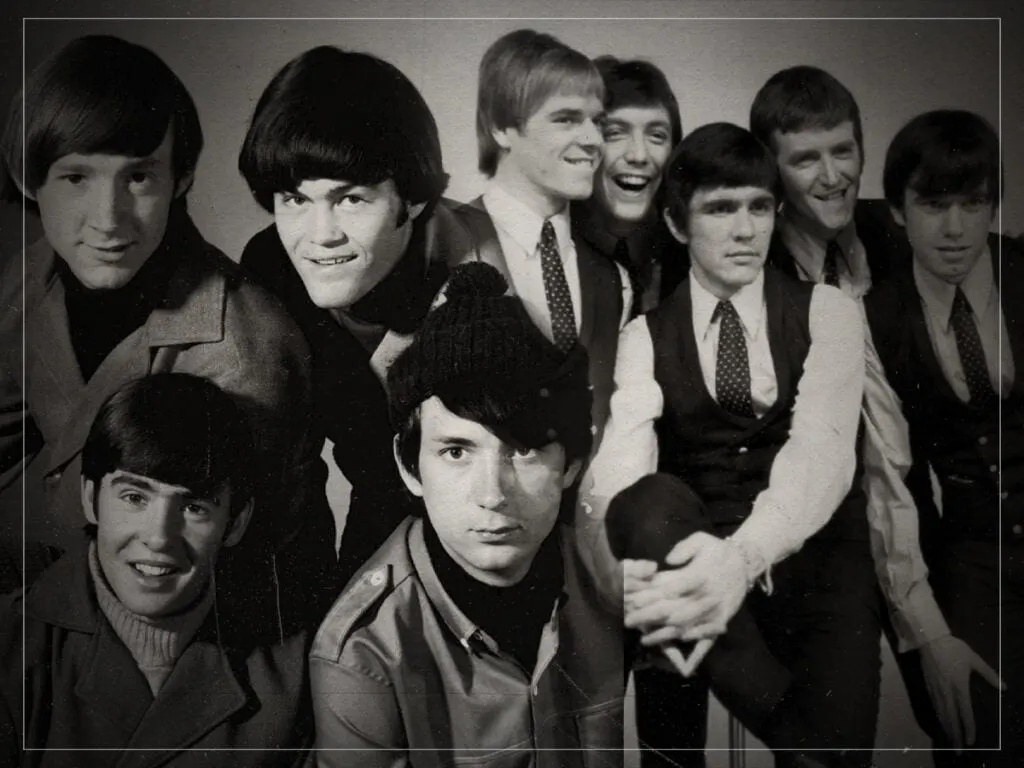
The article explores how The Beatles' 1964 breakthrough in America opened the door for other British acts, spawning both genuine musical successors and cynically manufactured imitators. It contrasts The Dave Clark Five, an authentic band praised by Elton John for their energy and stage presence, with The Monkees, a group assembled via casting call by television producers Bob Rafelson and Bert Schneider purely to cash in on Beatlemania.
The piece highlights that The Monkees' TV theme song borrowed heavily from The Dave Clark Five's 1965 hit "Catch Us If You Can", echoing its finger snaps and the phrase "here we come". It notes John Lennon's backhanded compliment likening The Monkees to the Marx Brothers rather than treating them as serious musicians, though it acknowledges the band later produced more original material once freed from their television format's constraints.
In short
- The Beatles' US success inspired both genuine bands and manufactured copycats
- The Monkees' TV theme echoed Dave Clark Five's "Catch Us If You Can"
- Monkees were a TV casting-call creation, not an organic band
Steelman: both sides, in good faith
The strongest fair case each way — we don't pick a winner.
The case for
The assembly of The Monkees through cynical casting-call manufacturing specifically to capitalise on Beatlemania represents a problematic exploitation of music consumers and existing genuine artists. The borrowing of musical elements from The Dave Clark Five's authentic work without transparent credit compounds this, as manufactured products gain commercial advantage over authentic bands whilst claiming artistic legitimacy. Such industry practices prioritise profit extraction over artistic integrity and unfairly disadvantage genuine musicians.
The case against
Whilst manufactured in origin, The Monkees benefited from genuinely talented musicians, composers and producers, and their eventual move toward creative control demonstrates that initial manufacturing doesn't negate artistic legitimacy. The distinction between 'authentic' and 'manufactured' reflects a romanticised view of artistry – most successful music involves commercial collaboration and strategic packaging. Audiences voting with attention and affection represents authentic cultural validation, and The Monkees' cultural impact and creative evolution shows their value transcends their manufactured beginning.
Explained simply
The Beatles’ success in the United States in 1964 made British pop groups highly fashionable. The Dave Clark Five were one of the bands who followed them into the American market, while the Monkees were put together by television producers Bob Rafelson and Bert Schneider after a casting call.
The Dave Clark Five released “Catch Us If You Can” in 1965, a song known for its finger snaps and the words “here we come”. The Monkees’ television theme later used similar musical touches, prompting comparisons between the two songs. The Monkees also went on to make more of their own music as their television careers developed.