World news and discussion on TalkFuse.
The 1967 album that ruled America for 18 weeks: “Probably the worst album in the history of the world”
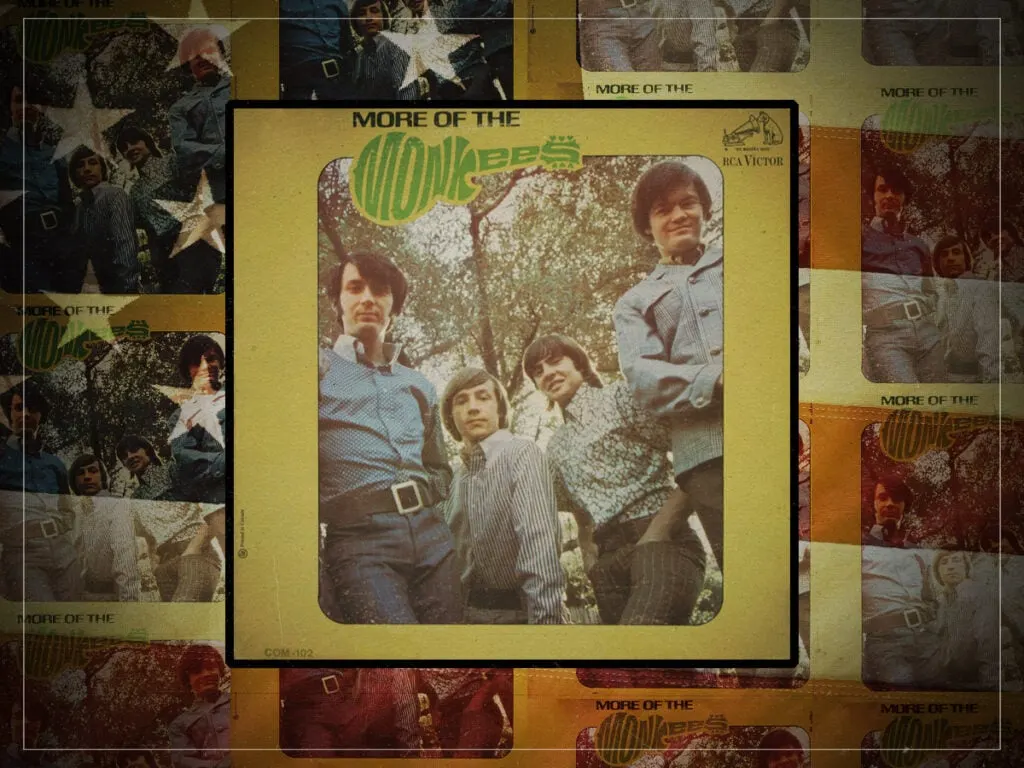
The article revisits the extraordinary commercial success of The Monkees' second album, "More of the Monkees", which topped the American charts for 18 consecutive weeks in 1967 despite being dismissed by the band's own members as low-quality, rushed product. It highlights the tension between the album's blockbuster sales, driven by the huge popularity of the Monkees' television show, and the harsh criticism levelled at it from within the group itself, most notably by Michael Nesmith.
The piece centres on Nesmith's now-famous verdict that the record was "probably the worst album in the history of the world", a reflection of the band members' frustration at having little creative control over material assembled largely by producers and songwriters rather than the musicians themselves. Despite this internal condemnation, the album's chart dominance underscored how the Monkees' manufactured pop image and TV exposure could overwhelm concerns about artistic authenticity in the mid-1960s music industry.
In short
- The Monkees' "More of the Monkees" topped US charts for 18 weeks in 1967.
- Michael Nesmith called it "probably the worst album in the history of the world".
- TV fame drove huge sales despite band members' creative frustrations.
Steelman: both sides, in good faith
The strongest fair case each way — we don't pick a winner.
The case for
The album's chart dominance reflected genuine audience demand for entertaining pop music tied to the Monkees' beloved television presence. Commercial success is a legitimate measure of a pop album's value—it gave millions of listeners joy and catchy songs they wanted to hear. The professional songwriters and producers involved created competent, well-crafted material that succeeded entirely on its own terms as entertainment, and dismissing the record simply because it was "manufactured" ignores that popular music inherently involves production apparatus.
The case against
The band members' creative frustration was entirely justified; artists deserve meaningful control over their own work rather than having material imposed upon them by external producers. The gap between commercial success and artistic merit reveals a troubling precedent where profit takes priority over authenticity and integrity. That the Monkees themselves regarded the album as substandard reflects real artistic problems that shouldn't be excused merely because sales figures were strong—compromising creative standards for commercial gain sets a problematic example in the music industry.
Explained simply
The Monkees were an American pop group created for a television series about a fictional band. The show became popular, and its success helped their records reach a large audience.
In the 1960s, record companies often paired performers with professional songwriters and producers who chose songs and shaped the finished recordings. The Monkees’ members had limited say over some early albums, including “More of the Monkees”, which led to disagreements within the group about the music.
The story highlights a tension between commercial success and artistic control. It also reflects wider questions of the period about how much influence performers should have over the records released in their name.
Americas Entertainment Music World