Entertainment news and discussion on TalkFuse.
The 1967 song John Lennon tried to make perfect: “Beautifully”
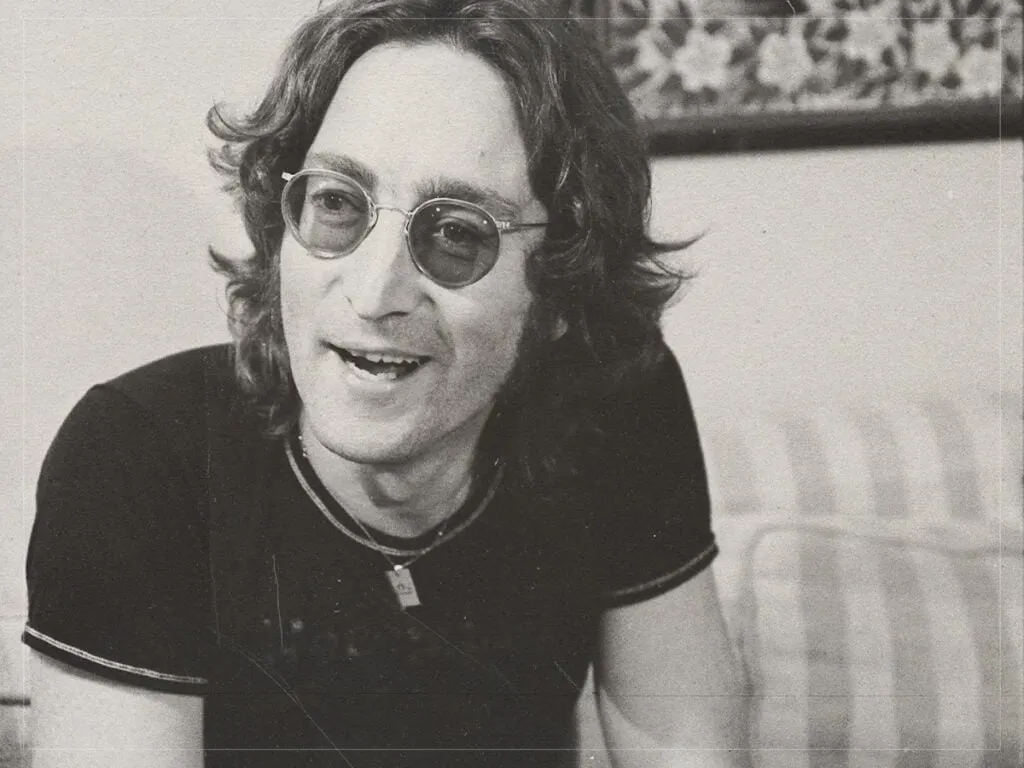
The article explores how John Lennon, despite his reputation for effortless songwriting with The Beatles, pushed for greater precision when the band worked on "A Day in the Life" for Sgt. Pepper's Lonely Hearts Club Band in 1967. Unlike his usual approach of leaving songs loosely arranged, Lennon insisted on rehearsing and carefully arranging this track with Paul McCartney beforehand, reflecting the pair's shared belief that the song had exceptional potential worth getting right in the studio.
Lennon contributed the opening "I read the news today" section, which McCartney complemented with a contrasting middle segment, creating a composition Lennon later described as coming together "beautifully". The track's chaotic orchestral crescendo and closing piano chord exemplify the meticulous balance the band achieved, and it stands alongside the Abbey Road medley as one of only two pieces The Beatles are known to have rehearsed recreationally before recording, underlining the genuine enthusiasm the band felt for the song.
In short
- Lennon uncharacteristically insisted on careful rehearsal for "A Day in the Life"
- The 1967 song combined separate Lennon and McCartney compositions seamlessly
- It's one of only two Beatles tracks rehearsed for fun before recording
Explained simply
John Lennon and Paul McCartney led the songwriting for the Beatles, the Liverpool band who by 1967 had stopped touring and were spending long stretches in the recording studio experimenting with new sounds and techniques. That year produced some of their most ambitious work, including the album Sgt. Pepper's Lonely Hearts Club Band, as the group pushed beyond the simpler pop songs that had made them famous earlier in the decade.
Lennon was known for being a perfectionist about how his songs sounded on record, often pushing producer George Martin and the studio engineers to find new ways of capturing the effect he had in his head. This mattered because the technology of the time was limited compared with today, so achieving an unusual or "perfect" sound often meant inventing new recording techniques on the spot.
Stories about this period of the Beatles' history are of lasting interest because 1967 is widely seen as a turning point when the band moved from being a singles-focused pop act to serious studio artists, a shift that changed expectations of what popular music could be.