Entertainment news and discussion on TalkFuse.
The 1968 Beatles song Ringo Starr thought was unbeatable: “You can’t top it”
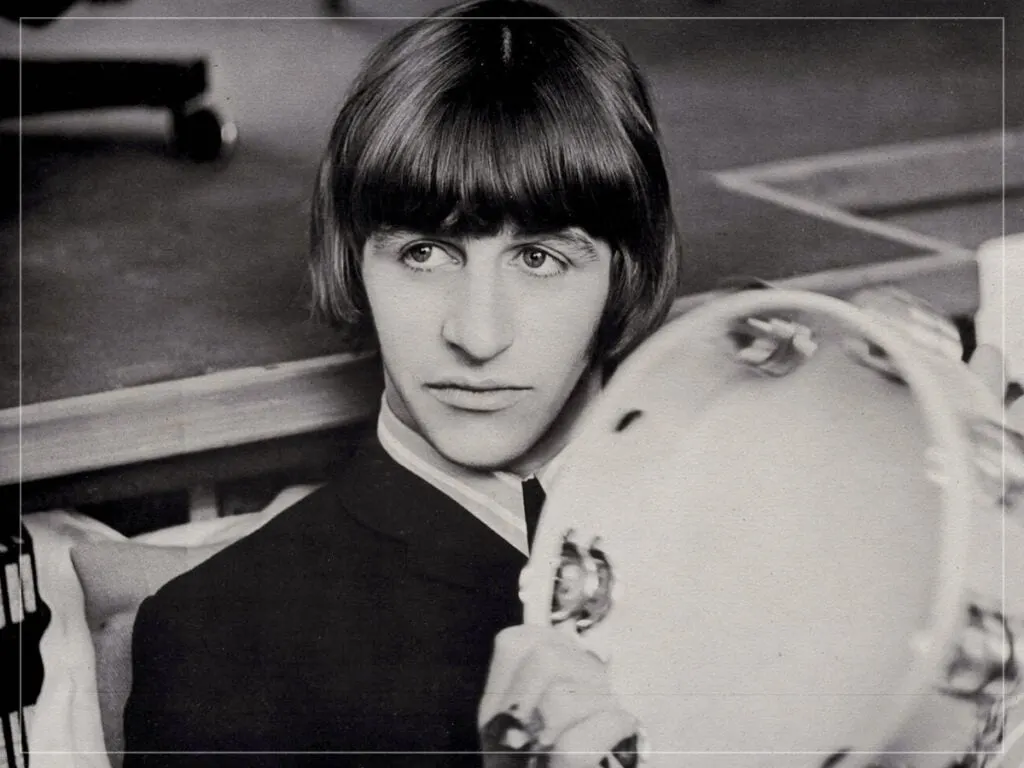
Ringo Starr has named ‘Yer Blues’, from The Beatles’ 1968 self-titled record (widely known as the White Album), as a track he believed the band could never surpass. The song stands out for how it was made rather than just how it sounds: written by John Lennon in India while he was, in his own words, "trying to reach God and feeling suicidal," it was recorded with all four members crammed into a tiny room at Abbey Road with no separation between instruments, giving it a raw, live intensity unusual for the era.
Starr later recalled the session fondly, saying "you can't top it" and describing the cramped eight-by-eight room as producing "grunge rock of the sixties, really – grunge blues." The recording came at a fraught time for the band, with the White Album sessions marked by growing creative divisions between Lennon, Paul McCartney and George Harrison. Despite this, the stripped-back, blues-driven approach to ‘Yer Blues’ evoked the group's earlier days as a bar band, and is remembered as a rare moment of unfiltered chemistry between the four Liverpudlians.
In short
- Ringo Starr called ‘Yer Blues’ Beatles' unbeatable studio moment
- Recorded cramped together in tiny Abbey Road room, no separation
- Lennon wrote it in India amid personal despair, White Album era tension
Explained simply
The Beatles were a Liverpool band whose members—John Lennon, Paul McCartney, George Harrison and Ringo Starr—wrote and recorded much of their own music. Their 1968 double album, commonly called the White Album, ranged across many styles and was made as differences between the band members were growing.
“Yer Blues” was written by Lennon while the Beatles were in India and recorded at Abbey Road in a small room, with the four musicians playing close together. That setup gave the track a raw, blues-based sound, distinct from much of the group’s more layered studio work.
The song connects the Beatles’ experimental late period with the blues and the close-knit band playing of their early years. Starr’s recollection of the session offers a glimpse of how the group worked together during a period of change.